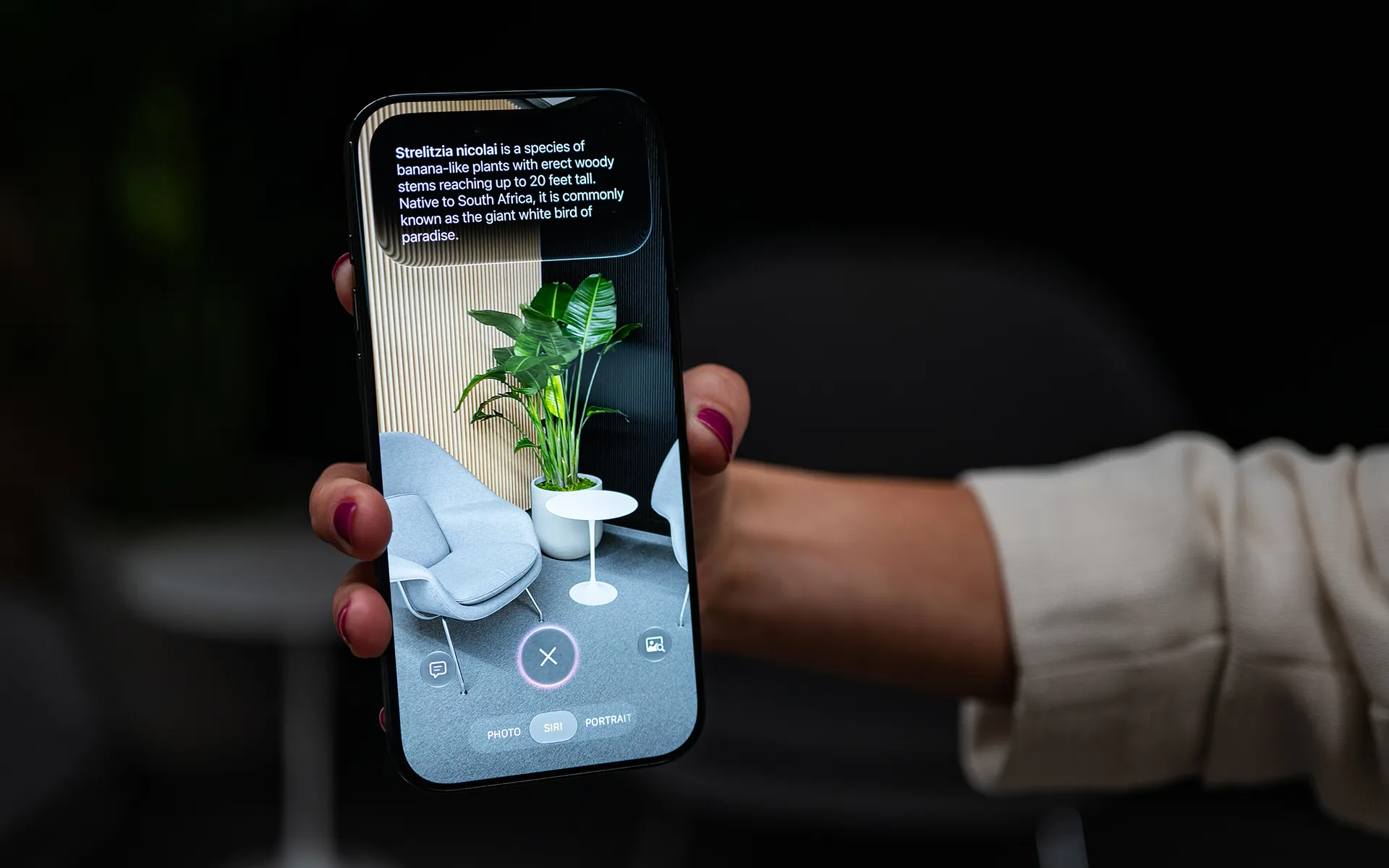
Apple is placing a major bet on artificial intelligence, and the company’s camera chief believes the technology could transform the way people use their smartphones. According to recent comments, AI has the potential to enhance human creativity, improve photography, and unlock capabilities that were once impossible on mobile devices. As Apple continues to expand its AI efforts, these remarks offer a glimpse into how future iPhones could become even smarter and more powerful.
What Apple’s Camera Chief Revealed
Recent statements from Apple’s camera leadership highlight the growing importance of AI in smartphone photography. Rather than simply improving image quality, Apple sees artificial intelligence as a tool that can help users achieve more with their devices, making advanced features accessible to everyone.
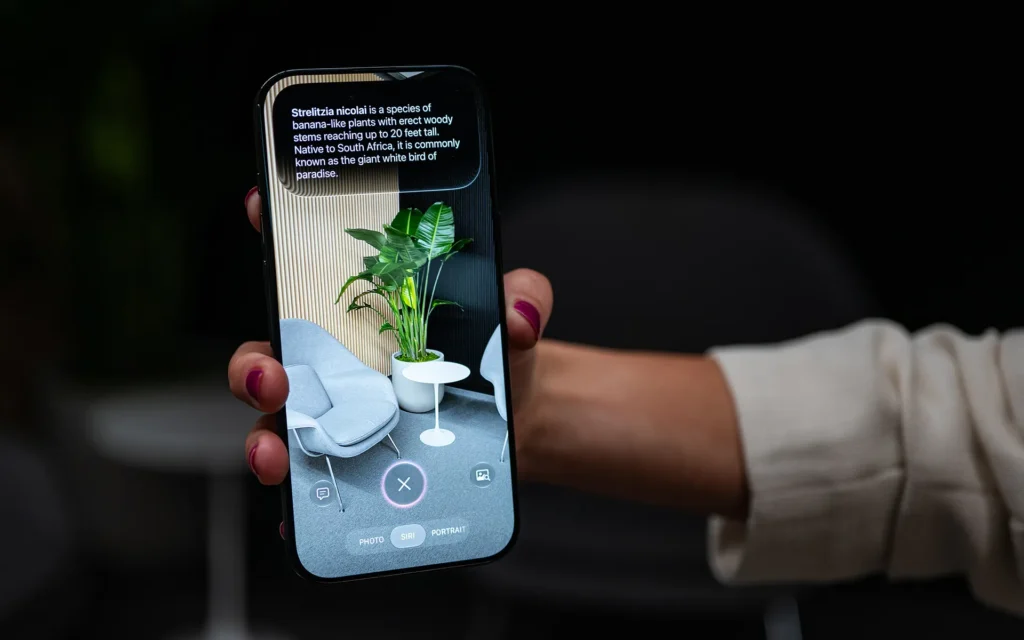
How AI Is Changing Smartphone Photography
Smarter Image Processing
AI already plays a major role in modern smartphone cameras. It helps optimize lighting, improve colors, reduce noise, and enhance details automatically, allowing users to capture better photos with minimal effort.
Better Photos in Challenging Conditions
Artificial intelligence can help cameras adapt to difficult lighting environments, improving low-light photography and ensuring more consistent results across different scenes.
AI Could Unlock New Creative Possibilities
Advanced Editing Tools
Future AI-powered features may make photo editing faster and easier. Users could potentially perform complex edits through simple commands, allowing them to create professional-looking content without advanced skills.
More Personalized Photography
Apple is expected to continue developing AI systems that understand user preferences, helping cameras automatically adjust settings based on shooting styles and habits.
Future iPhones Could Become Even Smarter
Enhanced Camera Experiences
As AI technology evolves, future iPhones may offer smarter scene recognition, improved zoom capabilities, and more advanced computational photography features.
AI Beyond Photography
Apple’s vision extends beyond cameras. AI is expected to play a larger role in video recording, productivity tools, accessibility features, and everyday smartphone interactions.
What This Means for Apple Users
Easier Content Creation
AI could help users capture, edit, and share content more efficiently, making high-quality photography and videography accessible to a wider audience.
More Intelligent Features
Future iPhones may use AI to provide smarter suggestions, automate repetitive tasks, and improve the overall user experience across the device.
Expected Future Developments
Industry observers believe Apple will continue investing heavily in artificial intelligence as competition in the smartphone market intensifies. Upcoming iPhone models are expected to introduce new AI-powered tools designed to improve both creativity and productivity.
Why This Development Matters
Artificial intelligence is rapidly becoming one of the most important technologies in modern smartphones. Apple’s latest comments suggest the company views AI as more than just a software feature. By combining advanced imaging technology with intelligent processing, Apple aims to give users new ways to create, communicate, and interact with the world around them.
FAQs
What did Apple’s camera chief mean by AI giving users “superpowers”?
The comment refers to AI’s ability to enhance human capabilities, helping users take better photos, edit content more easily, and access advanced features that would otherwise be difficult to use.
Is Apple already using AI in iPhone cameras?
Yes, Apple currently uses AI and computational photography technologies to improve image quality, portrait effects, scene recognition, and other camera functions.
Will future iPhones include more AI features?
Based on recent developments, Apple is expected to expand AI capabilities across photography, video, productivity, and everyday smartphone experiences.
Can AI replace professional photography skills?
AI can assist users and simplify complex tasks, but creativity, composition, and personal style remain important parts of photography.