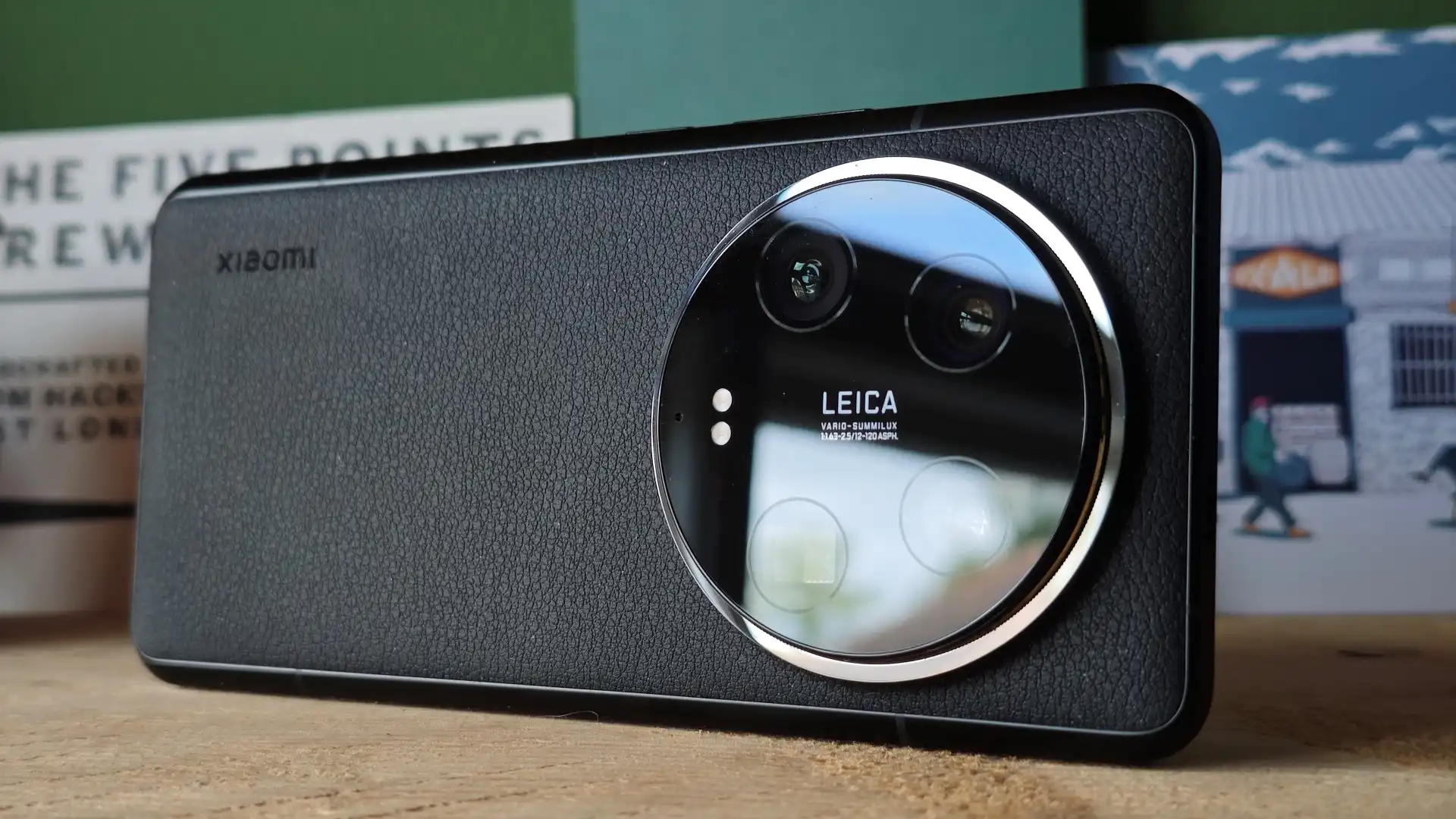
Xiaomi plans to roll out HyperOS 3 — its newest Android-16-based operating system — to as many as 25 devices by the end of 2025. According to internal server listings, many handsets and tablets are marked “ready to release,” signaling a major software update wave that could significantly expand HyperOS adoption globally.
What is HyperOS 3 — And Why It Matters
Android 16-based HyperOS 3 is the next major version of Xiaomi’s custom OS skin. The update introduces system refinements, better performance, new AI-powered features, improved privacy and security tools, and smoother animations.
This release marks one of Xiaomi’s largest upgrade efforts yet — with support spanning high-end flagships, mid-range phones, tablets, and even budget devices. For many users, it could mean an improved user experience and extended device lifespan.
List of Devices Confirmed for HyperOS 3 (Ready to Roll Out)
Among the devices reportedly marked “ready to release” on Xiaomi’s servers are:
- Xiaomi Pad 6 Max 14, Xiaomi Pad 6 Pro
- Xiaomi 13T Pro
- Redmi K60 Ultra, Redmi K60
- POCO F5 Pro, POCO F6, POCO X6 Neo, POCO C75
- POCO Pad M1
- POCO M6 Pro 4G, M7 (4G/5G), M7 Pro 5G
- Redmi 15 (standard & 4G), Redmi Note 15
- Redmi Pad Pro, Redmi Pad 2 Pro, Redmi Pad 2, Redmi Pad SE 4G
- Redmi A4, POCO C-series devices (as above), some other Redmi/POCO tablets and budget phones.
This list reflects a broad mix — from flagship-class models to budget-friendly handsets — indicating Xiaomi wants wide adoption of HyperOS 3 before 2026.
Expected Launch Date & Timeline
- Xiaomi officially started rolling out HyperOS 3 globally from October 2025, with initial updates going to premium phones like the Xiaomi 15 series.
- The 25 devices listed as “ready to release” could see staged rollouts as early as the last week of December 2025.
- According to Xiaomi’s public roadmap, the full rollout — including all eligible devices — is expected to complete by March 2026 globally.
Expected Price / Cost Impact
HyperOS 3 is a software update. Therefore, there is no additional cost for existing device owners — as long as their device is eligible and receives the update. New devices launched with HyperOS 3 will carry their usual retail pricing; the update itself does not alter device price.
Why This Update Wave Matters
- Extended device life: Older and mid-range Xiaomi/Redmi/POCO devices getting HyperOS 3 means longer relevance, better performance, and longer software support.
- Wider OS adoption: By targeting 25+ devices across segments, Xiaomi strengthens its software ecosystem, which could lead to more stable, uniform updates and better support across regions.
- New features for many users: Devices that were on older Android versions (or older HyperOS versions) get access to Android 16 features — new UI refinements, AI tools, improved privacy — without requiring a new phone.
- Stronger competition: As other brands also race to update their devices, Xiaomi’s aggressive upgrade push may influence the broader Android market’s update policies.
FAQs
Will my Xiaomi/Redmi/POCO phone get HyperOS 3?
If your model appears in the official “ready to release” list (or general rollout schedule) — yes. You can check the list shared above, or wait for over-the-air (OTA) update notifications from Xiaomi in late December 2025 or early 2026.
Does HyperOS 3 work on tablets and budget phones too?
Yes. The rollout includes not only premium phones but also tablets and budget devices from Xiaomi, Redmi, and POCO. Tablets like Pad 6 Pro / Pad 6 Max 14 are on the list.
Do I have to pay anything to receive HyperOS 3?
No. It is a free software update. However, ensure your device is eligible and connected to stable Wi-Fi before downloading.