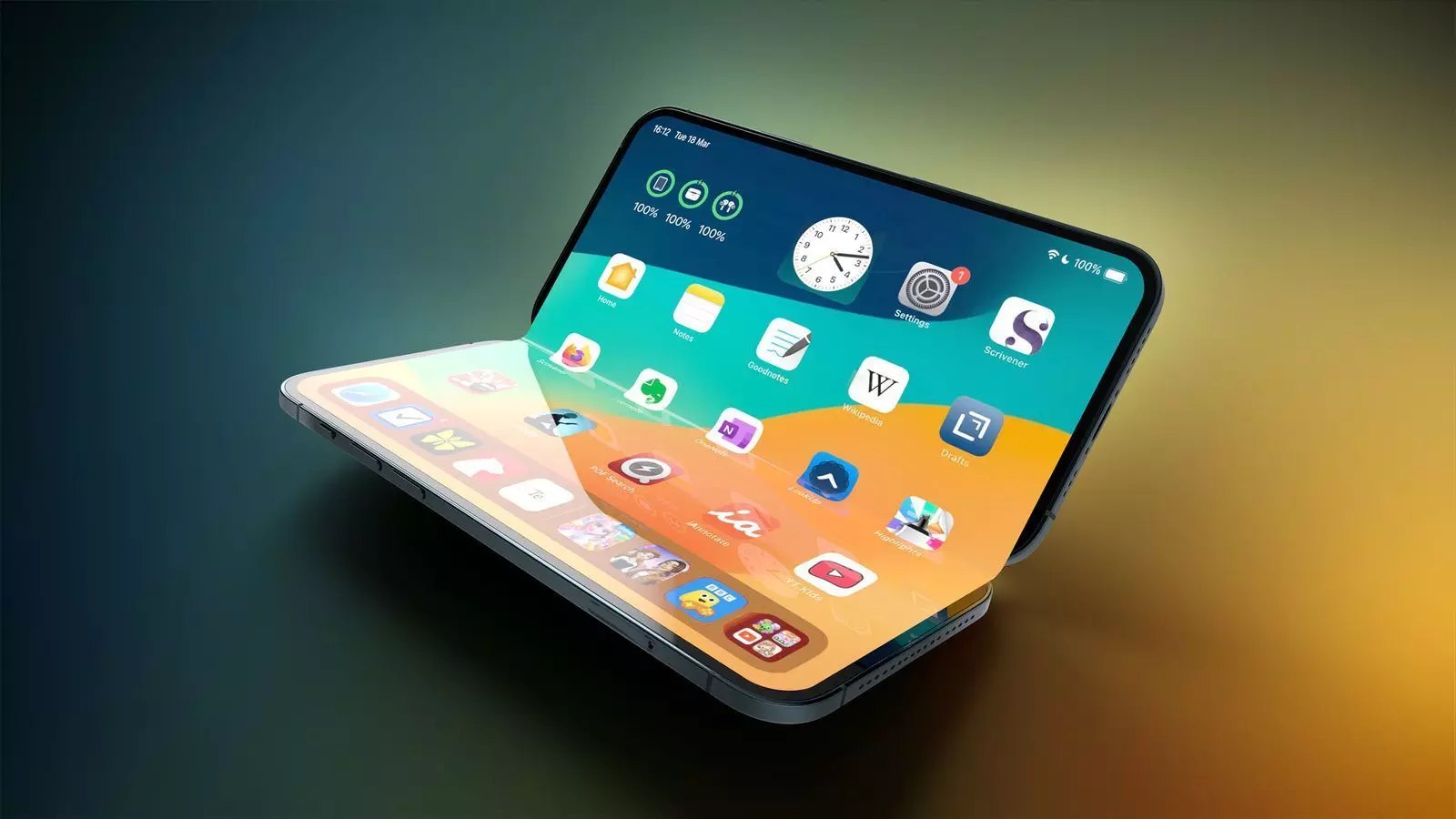
Apple’s long-rumoured foldable iPhone is once again in the spotlight, with a new leak suggesting that the device will not feature Face ID. Instead, Apple is reportedly planning to equip its first foldable iPhone with a side-mounted Touch ID fingerprint sensor, marking a notable shift in Apple’s biometric strategy.
Foldable iPhone: What the Latest Leak Claims
According to supply-chain sources and tipsters, Apple has decided against integrating Face ID into its foldable design due to internal space constraints and display complexity. A side-mounted Touch ID sensor, embedded into the power button, is said to offer a more practical and reliable solution.
Why Face ID May Be Missing
Design and Space Limitations
Foldable phones require complex hinge mechanisms and layered displays, leaving limited room for Face ID’s infrared sensors and dot projector system. Removing Face ID helps Apple simplify internal design and reduce thickness.
Reliability Concerns
Apple reportedly wants to avoid potential durability and alignment issues that could arise from using Face ID with a folding display over long-term use.
Side-Mounted Touch ID Makes a Return
Familiar and Proven Technology
A side-mounted Touch ID sensor is already used in several Apple products, including certain iPad models. It offers fast unlocking, high accuracy, and works reliably regardless of lighting conditions.
Better Usability in Foldable Form
With a foldable design, a power-button fingerprint scanner allows easy access whether the phone is folded or unfolded, improving everyday usability.
What Else to Expect From Apple’s Foldable iPhone
While Apple has not officially confirmed specifications, the foldable iPhone is expected to feature a premium OLED folding display, flagship-level performance, and a refined version of iOS optimised for multitasking and flexible screen layouts.
Expected Launch Timeline
Industry reports suggest Apple’s first foldable iPhone could launch around 2026 or later, as the company continues extensive testing to meet its durability and quality standards.
Why This Leak Matters
Apple’s decision to skip Face ID would be a major departure from its flagship iPhone identity. Bringing back Touch ID in a modern form could appeal to users who prefer fingerprint authentication while also highlighting Apple’s focus on practicality over tradition in its foldable strategy.
FAQs
Will Apple’s foldable iPhone have Face ID?
Leaks suggest it will not include Face ID due to design and space limitations.
Where will Touch ID be placed on the foldable iPhone?
The fingerprint sensor is expected to be integrated into the side power button.
When is Apple’s foldable iPhone expected to launch?
The device is tipped to arrive in 2026 or later, though Apple has not confirmed a timeline.