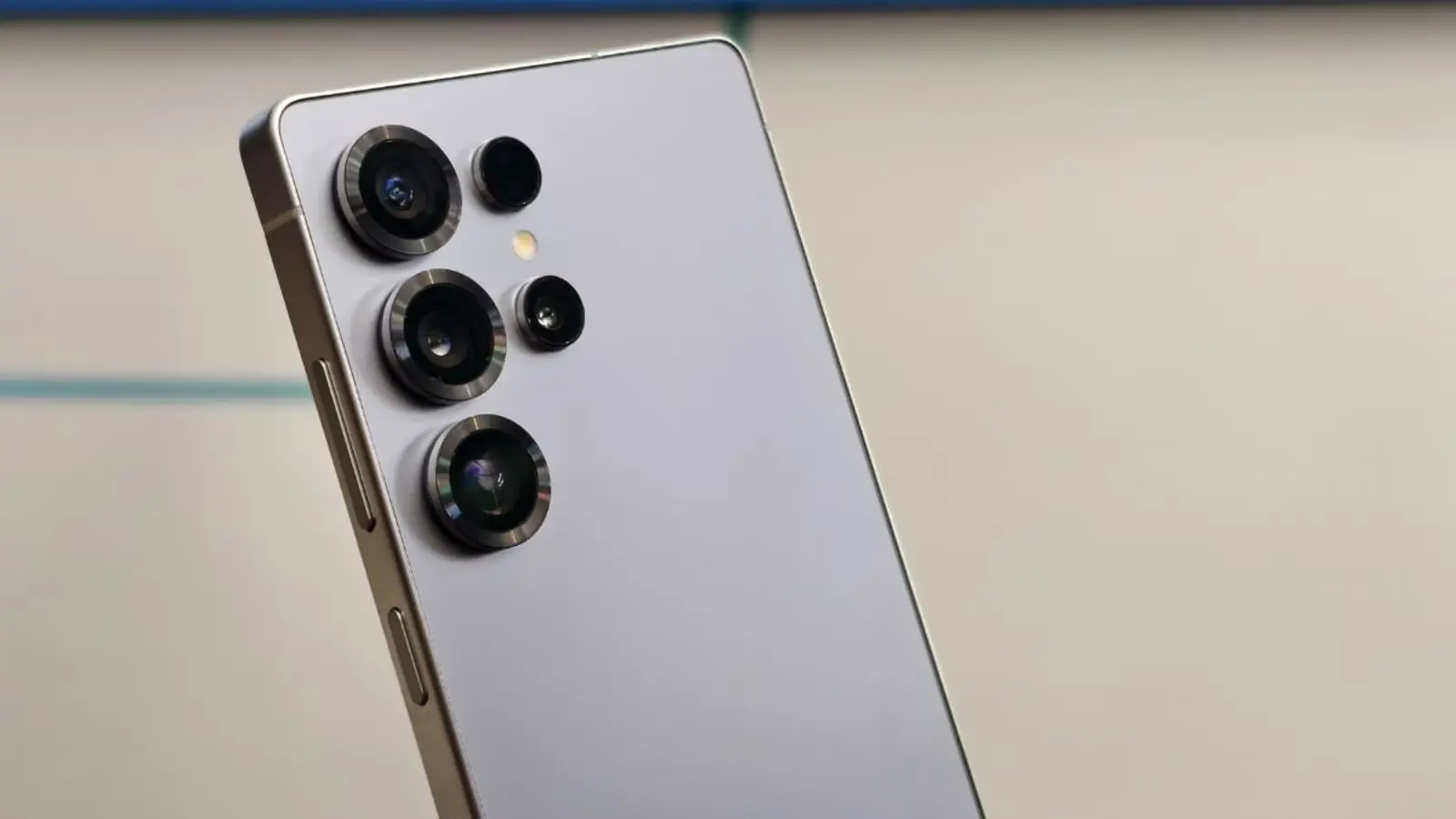
Authorities recently uncovered a large-scale racket in Delhi that was illegally assembling and selling counterfeit Samsung Galaxy phones — a discovery that has raised serious alarms about mobile fraud and consumer deception.
What the Raid Found — Key Details at a Glance
- The operation was busted in a shop in the Beadonpura area of Karol Bagh, Delhi, following a tip-off that the place was assembling premium Samsung smartphones from spare parts and selling them as new.
- Police arrested four individuals — including the alleged mastermind (identified only by the name “Hakim”) — during the raid.
- Investigators seized a massive haul: 512 counterfeit “premium” Samsung phones (models imitating Ultra, Fold and Flip series), along with 124 motherboards, 138 batteries, 459 fake IMEI-printed stickers marked “Made in Vietnam”, and a variety of spare parts and specialized assembly tools.
- The fake phones were reportedly being sold for ₹ 35,000–₹ 40,000 each — a price much lower than the genuine premium Samsung models, but high enough for unsuspecting buyers to assume they were real.
How the Racket Worked — The Modus Operandi
According to police statements:
- The gang imported spare parts (motherboards, cameras, batteries, body frames, etc.) from abroad (mostly China).
- Using these parts, they assembled phones in their shop, making them look like brand-new premium Samsung devices (Ultra, Fold, Flip).
- To make them appear authentic and bypass network verification, they affixed fake IMEI stickers marked “Made in Vietnam”.
- Once assembled and packaged (or superficially refurbished), these phones were sold in the open market, often at prices that tempted buyers — exploiting brand trust and consumer demand for flagship-class phones at lower prices.
Legal Action and Charges
- The arrested individuals were booked under sections of the Telecommunication Act and relevant penal provisions for cheating and furnishing false information.
- Police confirmed that the accused failed to provide any legitimate reason for possession of the seized parts and assembled phones, strengthening the case for criminal fraud and commercial deception.
- Investigation is ongoing to identify the broader supply chain, trace buyers, and dismantle the full network behind the racket.
What This Means — Risks to Consumers & Why It Matters
- Many buyers purchasing these counterfeit phones may think they are getting a genuine premium Samsung device — but end up with illegally assembled hardware that may have unpredictable quality, security risks, or poor after-sales support.
- The use of fake IMEIs and counterfeit parts undermines network security protocols, warranty systems, and buyer trust.
- Such operations cheapen brand value, contribute to grey-market supply chains, and may lead to increased losses for both consumers and legitimate businesses.
- The incident highlights the importance of buying phones from authorized dealers and verifying IMEI/serial numbers before purchase.
FAQs
How many fake phones were seized in the raid?
Police seized 512 counterfeit Samsung phones along with hundreds of spare parts, motherboards, batteries, and fake IMEI stickers.
What models were being imitated?
The counterfeit phones were built to resemble high-end Samsung “premium” devices — specifically Ultra, Fold, and Flip models.
How much did these fake phones cost buyers?
They were being sold at around ₹ 35,000 to ₹ 40,000 each — significantly cheaper than genuine premium models but expensive enough to mislead buyers.
Are there any official ways to check if a Samsung phone is genuine?
Yes — buyers should verify the IMEI or serial number on Samsung’s official website or check certification details in the phone settings, and examine packaging, build quality, and official accessories carefully before purchase.