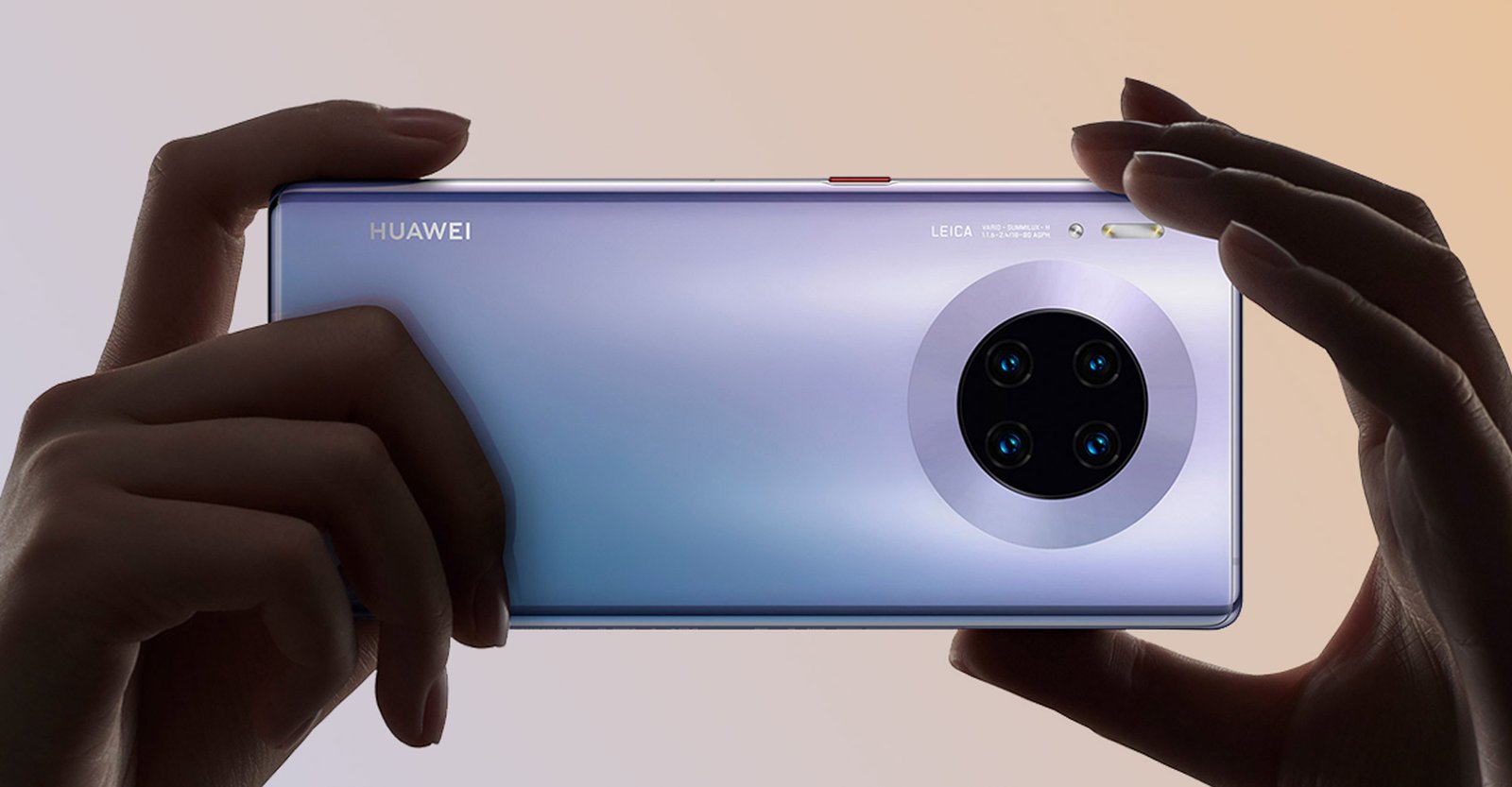
A wave of recent reports shows major Chinese smartphone makers are aggressively pushing AI-powered features as a key differentiator — especially targeting markets where Apple’s AI rollout remains slow or restricted.
What Is Driving This Push
- As more users look for smarter, feature-rich smartphones, Chinese brands such as Xiaomi, Oppo, Honor, Vivo and Huawei are advertising AI-powered software and tools as core differentiators.
- The move comes at a time when Apple’s AI-feature rollout — especially in some markets — has been delayed, creating a window of opportunity for these brands.
- Industry data suggests a major surge in “Gen-AI smartphones,” with shipments expected to surpass 400 million in 2025.
What These Brands Are Offering (Features Apple Doesn’t Always Provide)
Enhanced On-Device AI for Everyday Tasks
Some Chinese phones now include AI-powered assistants, image processing, advanced camera enhancements, smart cloud-local sync, and cross-app AI features — aiming to replace or exceed what Apple currently provides.
Tools for Easy Switching from iPhone
To attract existing iPhone users, brands are offering apps and tools that make migration easier — from photo and contact transfer to seamless account/content migration.
AI-Backed Photography & Multimedia Advantages
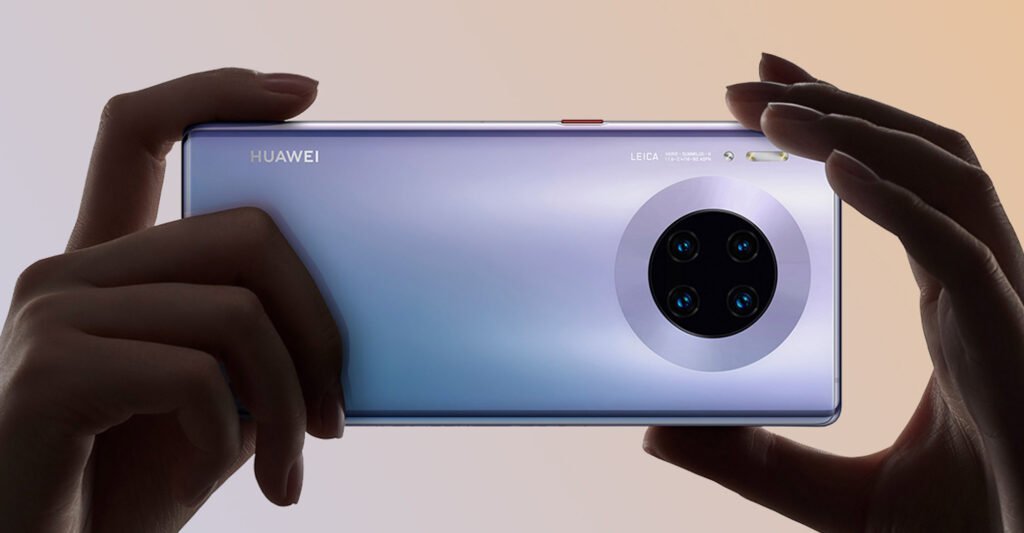
AI-driven image processing, night-mode photography, stabilization, Zoom-enhancement, and smarter camera workflows are being advertised — often as “smartphone-plus” tools that go beyond what Apple currently emphasizes in its base models.
Competitive Pricing + Feature-Rich Offerings
By combining strong hardware + AI features + lower costs than premium iPhones, these brands aim for “maximum value” — a formula that resonates in price-sensitive markets.
Why This Shift Matters
- It challenges premium phone dominance — When mid-priced phones offer AI capabilities, high price tags for “flagship only” gear feel less justified.
- It accelerates feature democratization — AI moves from being “luxury extras” to baseline expectations across budgets.
- It pressures rivals (including Apple) to adapt faster — As more users jump to AI-ready phones, brands must accelerate innovation or risk losing market share.
- It reshapes buyer priorities — Users may start prioritizing intelligent features over raw hardware stats.
What’s Still Uncertain
- Not all AI features are equal — success depends on implementation, privacy, real-world performance, and long-term support.
- Over-promising is common — megapixel counts, AI-feature lists, and marketing claims may not always translate to superior user experience.
- For global users, compatibility, updates, and ecosystem might still favour legacy players.
FAQs
Why are Chinese brands focusing on AI now?
Because Apple’s AI rollout is slower in many markets — creating an opening for brands to attract users with AI-heavy features.
Does this mean iPhones are obsolete?
Not necessarily. iPhones still offer strong hardware, ecosystem integration and privacy standards. AI-focused phones offer alternatives — but not complete replacements for all users.
Should buyers trust AI-heavy marketing claims?
Only after verifying real-world reviews and long-term performance. AI hype can boost specs on paper — but actual experience varies widely.