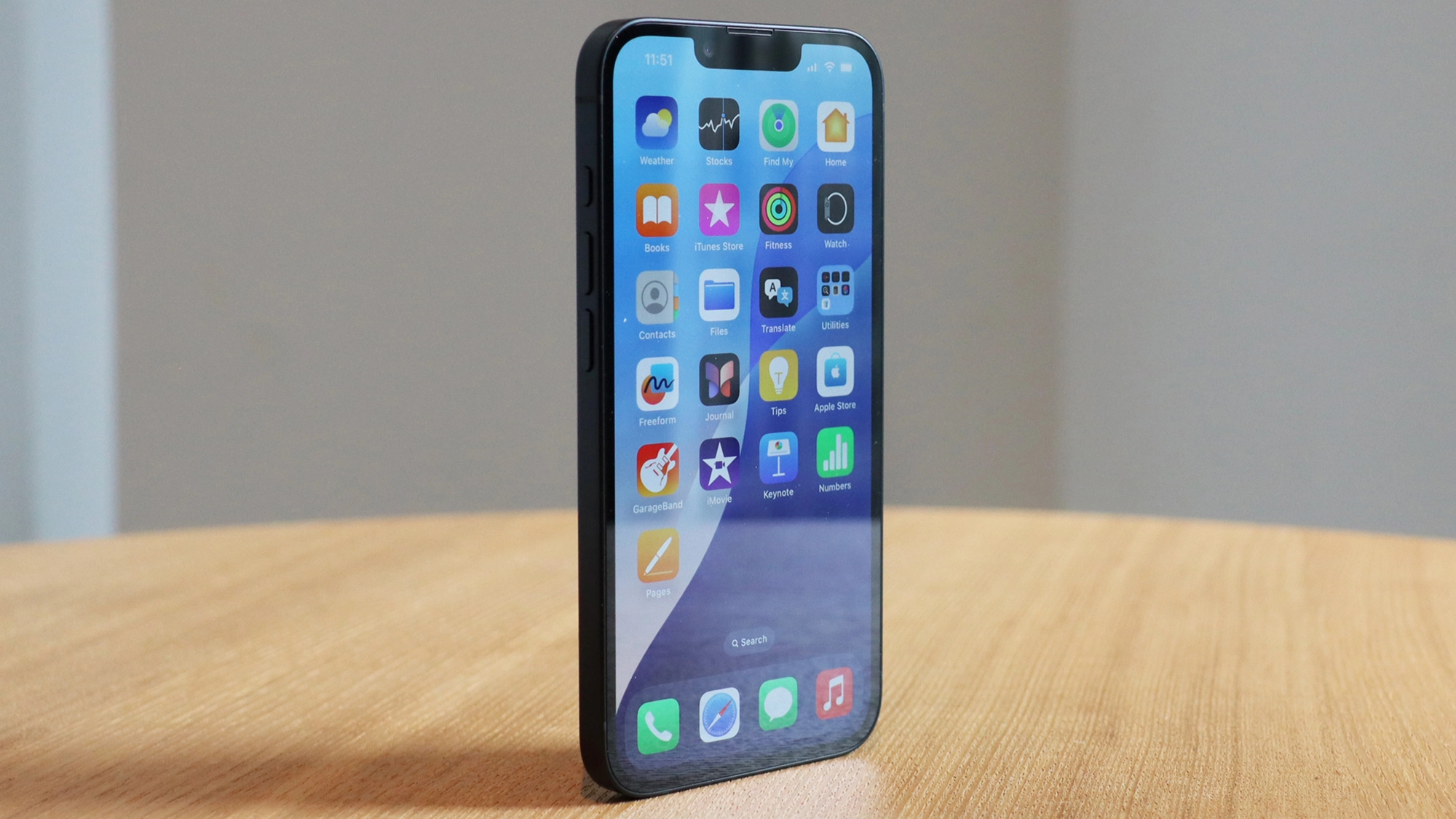
Apple is reportedly working on expanding iPhone compatibility to include third-party wireless earbuds and smartwatches — a change that could help break the long-standing “only Apple accessories” mold. The latest public beta of iOS shows signs that this shift might arrive soon.
What the Latest Reports Revealed
With the rollout of iOS 26.3 (currently in beta), Apple appears to be introducing a new “Proximity Pairing” method for non-Apple Bluetooth accessories. Instead of the usual manual Bluetooth pairing steps, users may soon be able to set up third-party earbuds or watches simply by bringing them close to the iPhone — triggering an AirPods-like pop-up to connect.
Code discovered in the beta also references a new framework named “AccessoryExtension,” suggesting the underlying architecture is being updated to support third-party accessory integration more deeply.
In addition to easier pairing, iOS 26.3 reportedly brings a new “Notification Forwarding” feature: once paired, third-party smartwatches could receive notifications from the iPhone — much like the existing experience with the official wearable, Apple Watch.
According to reports, this work is being done in response to regulatory pressure from the Digital Markets Act (DMA) in the European Union. Under the DMA, companies like Apple are required to ensure a fair level of interoperability for third-party devices.
What This Could Mean for Users — What Changes to Expect
- Easier, faster pairing: Third-party wireless earbuds and smartwatches could connect with iPhone via simple proximity-based pairing, similar to how AirPods currently work.
- Expanded accessory choice: Users may no longer be limited to Apple’s own audio or watch-accessory ecosystem — allowing for greater flexibility with device brands.
- Notifications on non-Apple watches: Smartwatches from other manufacturers might receive iPhone notifications (calls, messages, app alerts) and integrate more naturally with iOS.
- Less ecosystem lock-in pressure: For users who prefer non-Apple wearables or earbuds, these changes could reduce the appeal of being “locked” into Apple-only accessories.
Important Caveats & What’s Still Uncertain
- For now, the new features are confirmed only in iOS 26.3 beta and appear to be tied to the EU region (due to DMA regulations).
- It’s unclear whether all third-party earbuds/watches will fully support all features (notifications, advanced watch-side controls, media controls, etc.) — much may depend on accessory-maker cooperation.
- Enabling “Notification Forwarding” to a third-party watch reportedly disables notification delivery to an Apple Watch, indicating some trade-offs in multidevice use.
Why This Potential Change Matters
This development could mark a major shift in how Apple treats accessory interoperability. For years, iPhone users wanting full accessory integration were effectively limited to Apple’s own earbuds and watch. If realized broadly, this could increase competition among accessory makers, improve user choice, and push Apple toward a more open-device ecosystem — especially outside of tightly controlled hardware circles.
For many iPhone owners, this could mean lower-cost or more feature-diverse alternatives to AirPods and Apple Watch, without giving up basic pairing convenience and integration.
FAQs
Q: Does this mean iPhone will work with any Bluetooth earbuds or smartwatch now?
Not yet — while the code changes in iOS 26.3 show that Apple is preparing to support third-party earbuds and smartwatches, full compatibility will depend on accessory maker support and how broadly Apple enables the feature.
Q: Will notifications and other smartwatch features work the same way as with Apple Watch?
Under the new “Notification Forwarding” feature, third-party watches could receive iPhone notifications. However, some features may be limited, and notifications can only be forwarded to one accessory at a time (so enabling it for a third-party smartwatch may disable it on Apple Watch).
Q: Is this update global or limited to certain regions?
Currently the changes appear aimed at compliance with EU regulations, so availability may initially be limited to EU users — though it’s possible Apple could roll it out more broadly depending on user demand and regulatory environment.