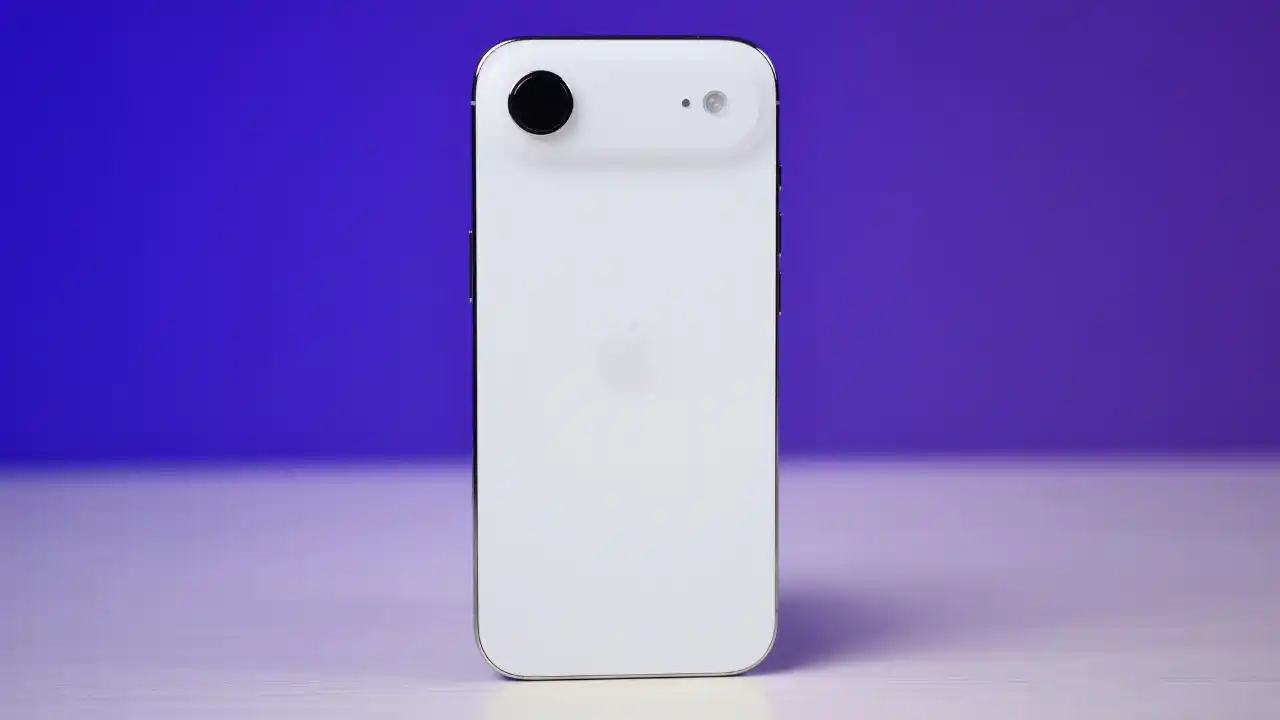
New reports suggest that the upcoming iPhone 18 Pro and iPhone Air 2 could launch at higher prices than their predecessors, as rising costs for key components — especially the processor chips — force Apple to reconsider its pricing strategy. The hike is linked mainly to increased silicon wafer and chip production costs associated with next-generation hardware.
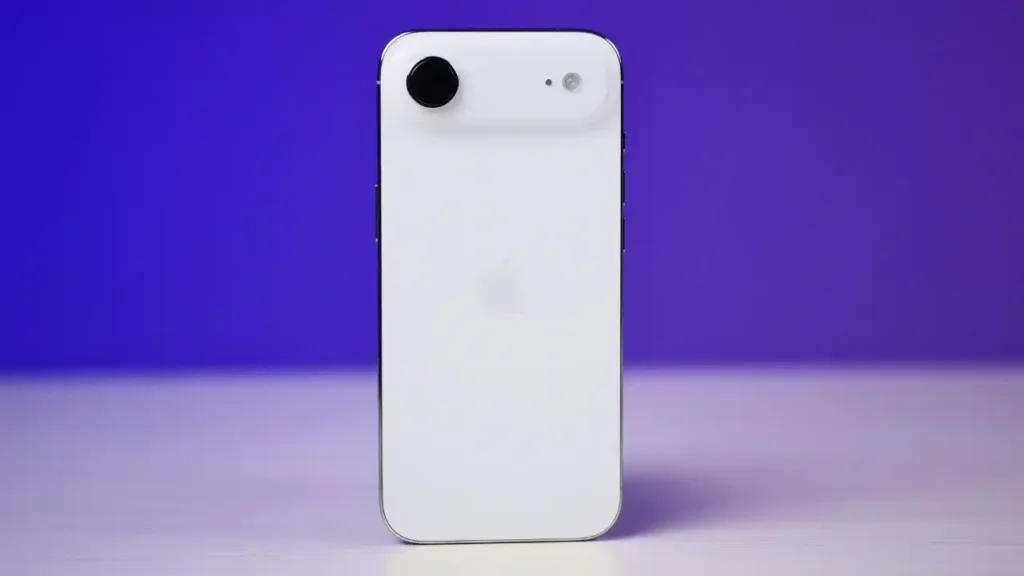
What the Reports Say
According to a recent report, Apple may pay as much as US $280 (≈ ₹25,200) for the new A20/A20 Pro chipset powering the iPhone 18 series — a significant rise compared with previous chips. The increased cost of silicon wafers and more expensive manufacturing processes for 2-nanometre chipsets are identified as the main reason behind this jump.
Because of these higher component costs, Apple could pass on the extra expense to consumers, resulting in higher retail prices for the iPhone 18 Pro and iPhone Air 2 when the lineup launches in 2026.
What Might Change: Launch Timing, Models and Pricing
- The iPhone 18 series is expected to arrive in late 2026, with the iPhone 18 Pro, iPhone 18 Pro Max, iPhone Air 2 (successor to the iPhone “Air/Plus” concept) and possibly a Foldable iPhone variant.
- Because of cost pressure, the iPhone 18 Pro and iPhone Air 2 may start at a higher base price compared to the iPhone 17 generation. Observers expect this could mark one of the first real price increases in several years.
- Apple faces a choice: either absorb the increased cost — reducing profit margins — or pass it to buyers. Current signals suggest price increase is more likely.
Why This Matters — For Buyers and the Market
- Component inflation is real: The surge in costs for crucial parts like processors — driven by advanced 2nm chip manufacturing and expensive silicon wafers — is affecting all smartphone makers.
- Impact on flagship pricing globally: If Apple increases iPhone prices, other manufacturers may follow, raising the overall cost of premium smartphones worldwide.
- Choosing the right time to buy: For buyers in 2026, upgrading soon might cost more. If you were planning to buy iPhone 18 Pro or Air 2, it could be worth comparing pre-owned or end-of-cycle models (iPhone 17 series) before shelling out higher premium for the newest models.
- Pressure on smartphone demand: Higher prices may dampen demand especially in price-sensitive markets or among mid-range buyers.
What Apple Could Do to Mitigate
- Apple might keep the base storage or memory options lean to reduce overall cost, or reserve the most expensive components for higher-end variants.
- Alternatively, Apple could absorb a portion of the increased cost — since premium brands with high profit margins are generally better positioned to weather component price hikes than lower-cost competitors.
- There’s also a chance Apple adjusts its regional pricing — meaning some markets could see smaller increases, depending on local taxes, import duties, and currency fluctuations.
FAQs
Will iPhone 18 Pro really cost much more than iPhone 17 Pro?
Possibly yes. Reports suggest a significant component cost increase could push Apple to raise prices for 2026’s iPhone models.
Is this price hike only for premium models?
Mainly yes — the reported increase affects the iPhone 18 Pro and iPhone Air 2 (premium or near-premium variants). Base models may see smaller or no hikes, especially if Apple tries to keep the standard models affordable.
Should I wait before buying an iPhone if I’m on a budget?
If you’re budget-conscious and were planning to get a new iPhone soon, comparing a 2025 model (like iPhone 17) might offer better value, especially if the 2026 models see a noticeable price jump.