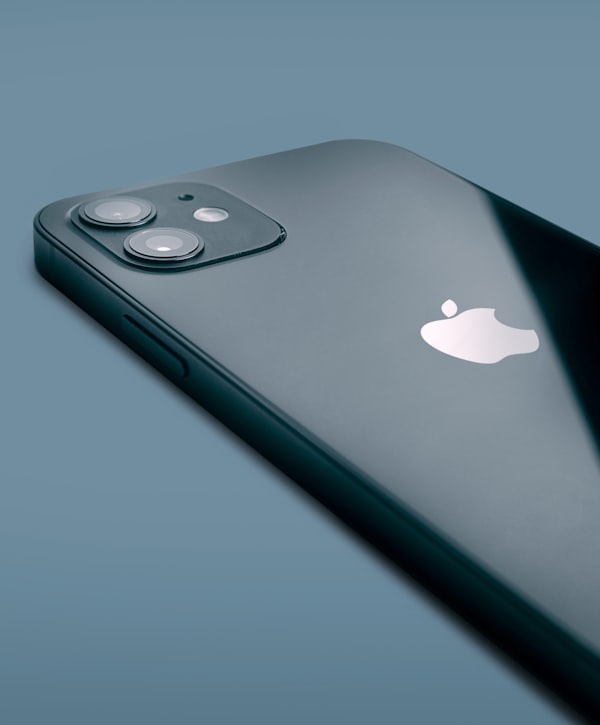
Apple is obsessed with thinness again. After years of prioritizing battery life and camera systems over slim profiles, the company is returning to its Jony Ive-era roots with the iPhone 17 Air. According to CAD files and supply chain sources obtained by SmartphoneTrend, this new model measures just 5.5mm thick — thinner than the original iPad Air and approaching the dimensions of a USB-C port.
The iPhone 17 Air replaces the iPhone Plus lineup, which has struggled to find its identity between the standard and Pro models. Rather than offering a bigger screen with compromised specs, Apple is positioning the Air as a design-forward statement piece — a phone for users who prioritize portability and aesthetics over camera versatility.
How Apple Achieved 5.5mm: The Engineering Compromises
Making a phone this thin requires significant engineering trade-offs. Apple didn't simply shave material from an existing design — the iPhone 17 Air is fundamentally rearchitected from the inside out.
The most significant compromise is the camera system. The iPhone 17 Air features just a single 48MP main camera, eliminating the ultra-wide lens found on all other modern iPhones. This single-lens approach harkens back to the iPhone XR but with modern computational photography capabilities. Apple's logic is clear: users who want the best camera should buy the Pro, while Air buyers value thinness above all.
The battery uses a new stacked cell design that layers electrodes vertically rather than horizontally, reducing thickness while maintaining reasonable capacity. Our sources indicate a 3200mAh battery — smaller than the iPhone 16 Plus's 4383mAh but optimized for the A19 chip's improved efficiency.
"The 5.5mm target was set by Tim Cook himself. The engineering team initially said it was impossible without removing the charging port, but they found ways. The stacked battery was the breakthrough." — Foxconn source familiar with iPhone 17 Air development
What Had to Go to Reach 5.5mm
Apple's pursuit of extreme thinness required removing or redesigning several components:
- Ultra-wide camera: Removed entirely, leaving only a single 48MP main lens
- Physical SIM tray: eSIM only globally, with no physical SIM option
- MagSafe coil: Redesigned as a thinner, less powerful variant
- Vibration motor: Switched to a smaller haptic engine with reduced feedback strength
- Speaker chambers: Smaller acoustic chambers with beamforming software compensation
Quick Answer: Will the iPhone 17 Air Have Good Battery Life?
Despite the smaller 3200mAh battery, the A19 chip's efficiency improvements and the LTPO display should deliver comparable battery life to the iPhone 16. Expect a full day of moderate use, but not the multi-day endurance of the Pro Max.
iPhone 17 Air Specifications
| Specification | iPhone 16 Plus | iPhone 17 Air (Rumored) |
|---|---|---|
| Thickness | 7.8mm | 5.5mm |
| Display | 6.7″ OLED | 6.6″ LTPO OLED |
| Chipset | A18 | A19 |
| Cameras | 48MP + 12MP UW | 48MP single |
| Battery | 4383mAh | 3200mAh |
| Frame | Aluminum | Titanium-aluminum hybrid |
| Weight | 199g | ~165g |
| Charging | USB-C 20W | USB-C 25W |
| Storage | 128GB – 512GB | 128GB – 512GB |
The A19 Chip: Efficiency Over Raw Power
The iPhone 17 Air uses the standard A19 chip rather than the A19 Pro found in the Pro models. This is a deliberate choice — the A19 is optimized for efficiency rather than peak performance, which helps compensate for the smaller battery.
Built on TSMC's 2nm process, the A19 features a 6-core CPU with two performance cores and four efficiency cores. The GPU is a 4-core design rather than the Pro's 6-core configuration. For everyday tasks — messaging, browsing, social media, streaming — the A19 is more than sufficient. Only power users who edit 4K video or play demanding games will notice the difference.
Single Camera: Computational Photography to the Rescue
Removing the ultra-wide camera is controversial, but Apple believes computational photography can fill the gap. The 48MP main sensor uses pixel binning to produce 12MP images with excellent dynamic range. Digital cropping provides a 2x "optical quality" zoom that Apple claims matches the quality of a dedicated telephoto lens for portraits.
The ultra-wide loss is more significant for macro photography and landscape shots. Users who frequently shoot architecture or nature scenes may miss the wider field of view. However, for the target audience — users who primarily take photos of people, food, and everyday moments — the single lens is adequate.
Release Date and Pricing
The iPhone 17 Air will launch alongside the rest of the iPhone 17 lineup in September 2027. It replaces the Plus model in Apple's four-phone lineup: iPhone 17, iPhone 17 Air, iPhone 17 Pro, and iPhone 17 Pro Max.
Pricing is expected to start at $899, matching the current iPhone 16 Plus starting price. This positions the Air as a premium option for design-conscious buyers who don't need Pro camera features.
Should You Buy the iPhone 17 Air?
The iPhone 17 Air is for a specific type of user: someone who wants the biggest screen in the thinnest possible body and doesn't care about having multiple cameras. If you rarely use ultra-wide or telephoto lenses, the Air's single camera will serve you well. The 5.5mm thickness and 165g weight make it the most pocketable large-screen phone on the market.
However, if camera versatility matters to you, the standard iPhone 17 or 17 Pro are better values. And if battery life is your top priority, the Pro Max remains unmatched. The Air is a statement piece — beautiful, impractical, and undeniably Apple.

Alex Chen
Senior Supply Chain Analyst at SmartphoneTrend. Formerly at Digitimes. Tracking Apple & TSMC supply chains since 2018. 847 leaks verified.