Summary Table of Key Differences
| Feature | iPhone 17 | Google Pixel 9a |
|---|---|---|
| Display | 6.1″ OLED, 120Hz | 6.1″ OLED, 120Hz |
| Processor | A18 Bionic | Google Tensor G3 |
| RAM | 6GB (approx.) | 8GB |
| Storage | 128/256GB | 128/256GB |
| Main Camera | Dual/Triple w/ Smart HDR | Dual Camera w/ Computational Photography |
| Battery | ~ 3300–3500mAh (optimized) | ~ 4300–4500mAh |
| Charging | 20–40W | 18–30W |
| OS Updates | Long-term iOS (5–6+ yrs) | Strong Android support (~4 yrs) |
| Ecosystem | iCloud, Continuity, iMessage | Google services, AI features |
Design Comparison
iPhone 17: Apple continues its design language with flat edges, Ceramic Shield front, and refined build quality. It’s compact, easy to handle, and prioritizes premium feel and durability. Apple’s attention to detail shows in symmetrical curves and button placements.
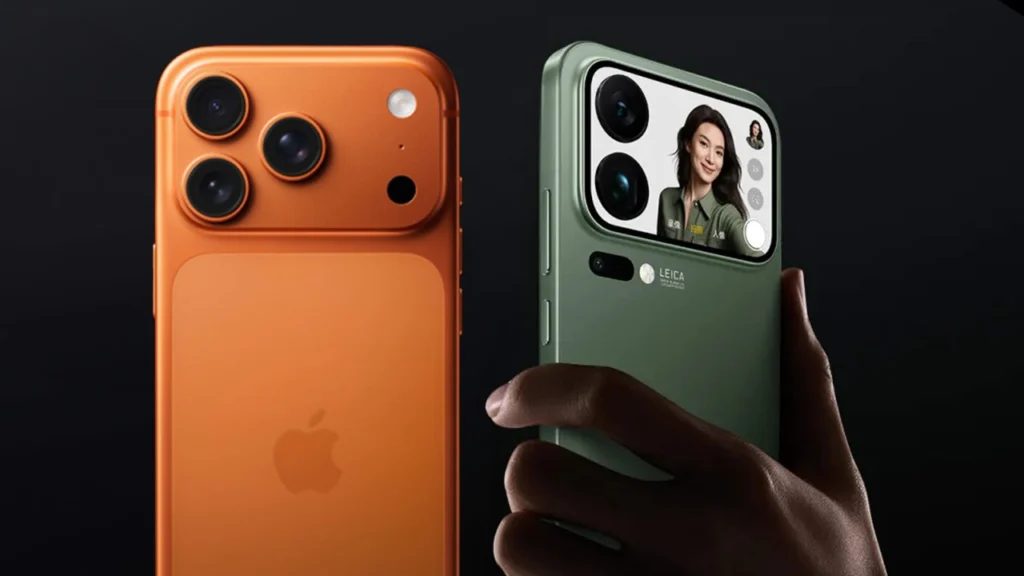
Google Pixel 9a: Pixel 9a adopts a clean and functional design, blending matte and glossy finishes. It may use recycled materials, a sturdier rear panel, and a slightly chunkier frame compared to iPhone. Pixel phones traditionally prioritize ergonomics and everyday usability over flashy looks.
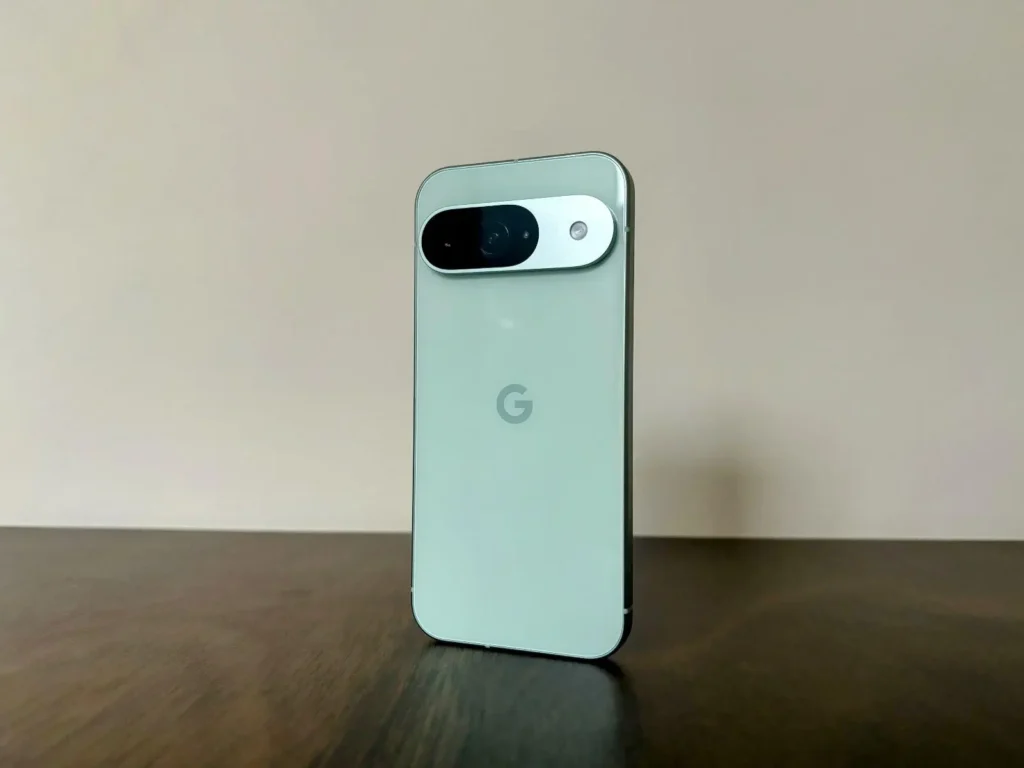
Verdict: iPhone 17 feels more premium and compact; Pixel 9a balances practicality with a minimalist aesthetic.
Display Comparison
iPhone 17:
- 6.1-inch Super Retina OLED
- 120Hz adaptive refresh rate
- Excellent color calibration and brightness
- HDR and True Tone support
Google Pixel 9a:
- 6.1-inch OLED display
- 120Hz refresh rate
- Good color accuracy with natural tones
- Strong viewing angles
Verdict: Both are close in size and refresh rate. iPhone edges ahead in color accuracy and brightness consistency, while Pixel 9a holds its own with natural tone rendering.
Camera Comparison
iPhone 17:
- Apple’s well-optimized camera system (main + ultra-wide; possibly no telephoto)
- Strong video capabilities with Cinematic and Action modes
- Excellent HDR, image stability, and skin-tone accuracy
Google Pixel 9a:
- Known for industry-leading computational photography
- Strong Night Sight, Super Res Zoom, and AI features
- Sharp images with great detail, especially in varied lighting
Verdict: Pixel 9a shines in still photography thanks to Google’s software; iPhone leads in video quality, stabilization, and consistency.
Performance Comparison
iPhone 17:
- A18 Bionic chipset — extremely fast single-core performance
- Smooth UI and app experiences, especially for optimized apps
- Efficient power management
Google Pixel 9a:
- Tensor G3 — capable mid-to-upper mobile chipset
- Excellent for everyday use, AI-powered features, and multitasking
- Not as raw horsepower as Apple’s Silicon
Verdict: iPhone has the edge in raw speed and long-term performance; Pixel 9a is more than enough for most users and excels in AI-focused tasks.
Battery & Charging
iPhone 17:
- Smaller battery (by mAh) but optimized iOS efficiency
- Fast charging support (20–40W depending on variant)
- Wireless charging and MagSafe ecosystem
Google Pixel 9a:
- Larger battery capacity (~4300–4500mAh)
- 18–30W wired charging
- Battery Saver and Adaptive Battery for longer life
Verdict: Pixel 9a has larger physical capacity; real-world usage depends on habits, but both can handle a full day comfortably.
Software & Updates
iPhone 17:
- iOS with deep ecosystem integration (iMessage, FaceTime, Continuity)
- Longest update commitment in the market
- Privacy-focused features
Google Pixel 9a:
- Clean Android experience with exclusive Google features
- AI tools baked into camera, Assistant, and system-wide functions
- Several years of updates, though typically fewer than Apple
Verdict: iPhone delivers the longest update support; Pixel offers close Android integration and exclusive Google features.
Final Verdict
Choose iPhone 17 if:
- You want industry-leading performance and long software support
- Best-in-class video capture and premium ecosystem matter
- A polished, compact flagship experience is your top priority
Choose Google Pixel 9a if:
- You want excellent still photography and Google’s AI features
- A larger battery with solid all-day endurance is key
- A clean Android interface and smart software are desirable
Both phones are great — the choice depends on your ecosystem preference (Apple vs Google), camera style (video/consistency vs computational stills), and long-term software goals.
FAQs
1. Which phone has better cameras?
Pixel 9a generally wins in still photography due to Google’s computational imaging. iPhone 17 leads in video quality and stability.
2. Who gets more years of software support?
Apple typically provides longer update support (5–6+ years) compared to Google’s Pixel line (around 4 years).
3. Is Pixel 9a adequate for gaming and multitasking?
Yes — Tensor G3 delivers strong performance for gaming, everyday tasks, and AI-driven features, though iPhone’s A18 Bionic is faster overall.