Xiaomi’s 17 series has attracted attention with its flagship performance, advanced cameras, and premium features. If you’re considering buying a new phone from this lineup, this guide breaks down the key details — including model differences, specifications, pricing, availability, and buyer tips — to help you make an informed choice.
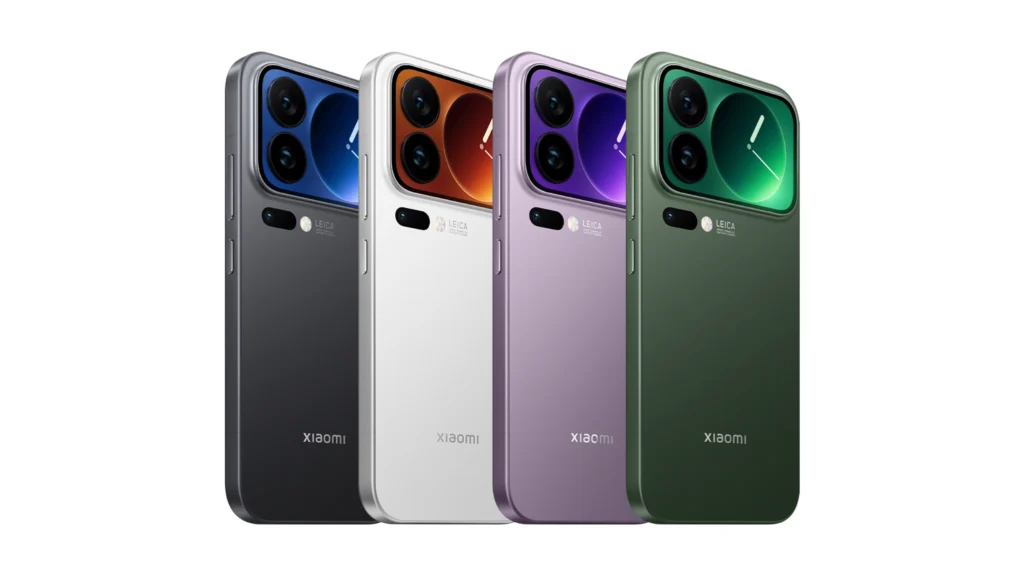
Overview of the Xiaomi 17 Series
The Xiaomi 17 series represents Xiaomi’s latest flagship class, positioned above the Redmi and POCO lines. It includes multiple variants that target different user preferences — from balanced performance to photography excellence.
As of late 2025, the confirmed lineup includes:
- Xiaomi 17 – Core flagship with premium performance and solid camera setup.
- Xiaomi 17 Pro – Enhanced performance and camera capabilities.
- Xiaomi 17 Ultra – Top‑tier photography focus with Leica collaboration.
Each model shares common strengths such as high‑end chipset performance, premium design, and fast charging support. What differs is mainly camera hardware, display features, and price.
Display, Design, and Build
Sizes and Panels
- The Xiaomi 17 and 17 Pro typically use large AMOLED displays with high refresh rates (120 Hz or above). These screens offer bright, vibrant visuals and smooth motion.
- The Xiaomi 17 Ultra often brings slightly larger or more advanced panels, tailored to deliver excellent viewing quality for photos and videos.
All models feature curved edge screens with minimal bezels and a sleek, premium feel. Build quality is generally robust, with glass and metal finishes.
Performance and Hardware
Chipset and Speed
All Xiaomi 17 series models use flagship‑level processors from Qualcomm (Snapdragon 8 series), ensuring strong performance for everyday tasks, gaming, and heavy apps.
- Xiaomi 17: Flagship chipset with balanced performance.
- Xiaomi 17 Pro: Slightly tuned for higher sustained performance.
- Xiaomi 17 Ultra: Expected to offer the best performance of the series due to optimized cooling and hardware tuning.
In real‑world use, this translates to fast loading, smooth multitasking, and excellent frame rates in most 3D games.
RAM and Storage
Typical configurations range from 8 GB to 16 GB of RAM and 128 GB up to 1 TB of internal storage depending on the region and variant. No models offer expandable storage, so choose a configuration that matches your long‑term needs.
Camera Capabilities: What Sets Each Model Apart
Photography is a key strength of the 17 series, especially in the Pro and Ultra versions.
Xiaomi 17 – Balanced Imaging
The base model usually includes a high‑resolution main camera, an ultra‑wide lens, and a competent telephoto or macro lens. This setup delivers reliable photo quality in most lighting conditions.
Xiaomi 17 Pro – Better Low‑Light and Zoom
The Pro version steps up with improved sensors, better low‑light performance, and refined image processing. Videos and portrait shots typically look better compared to the base model.
Xiaomi 17 Ultra – Photography Focus
The Ultra model often brings the most advanced camera hardware in the series, including larger sensors, improved optical zoom, and in some editions, specialized collaborations (e.g., Leica tuning). This version tends to excel in detailed shots, night photography, and creative modes.
Battery Life and Charging
Battery capacity varies slightly between models, but all offer solid endurance due to efficient hardware and software optimization.
- The series supports fast wired charging, with some models offering 120 W or higher charging speeds.
- Wireless charging is available on Pro and Ultra models.
- Battery life typically lasts a full day under moderate use, and with fast charging, topping up is quick.
Software and Updates
Xiaomi 17 series phones run HyperOS, Xiaomi’s latest Android‑based operating system. HyperOS brings a clean interface, useful smart features, and regular security updates. Xiaomi has committed to a schedule of software upgrades, which adds value over time.
Expected Pricing and Availability
Prices for the Xiaomi 17 series vary by country and configuration:
- Xiaomi 17: Positioned as the more affordable flagship in the series.
- Xiaomi 17 Pro: Mid‑range flagship price point.
- Xiaomi 17 Ultra: Highest price tier due to advanced camera tech and premium features.
In India and other major markets, early launch prices reflect regional taxes and currency differences. Official sales often begin first in China, followed by rollout in global regions.
Pros and Cons: What You Should Consider
Pros
- Flagship performance unmatched in many mid‑range segments.
- High‑quality cameras, especially in Pro and Ultra models.
- Premium design and fast displays.
- Fast charging support with large batteries.
- HyperOS and long‑term software support.
Cons
- Price: Premium models can be expensive compared to competitors.
- No expandable storage: Choose higher storage if needed.
- Availability: Some variants may be limited to specific markets initially.
Why This Guide Matters
The Xiaomi 17 series includes powerful devices with diverse strengths. Without clear guidance, choosing between the base, Pro, and Ultra models can be confusing. This guide helps clarify what each variant offers so you can match it to your usage needs — whether that’s photography, gaming, everyday use, or a balance of all.
Understanding official specs, expected pricing, and real‑world performance improves your buying decision and helps avoid surprises after purchase.
FAQs
Is the Xiaomi 17 worth buying now?
Yes, if you want flagship performance, strong cameras, and modern software support, the 17 series offers excellent options. Choose the model based on your budget and feature priorities.
Which model has the best camera?
The Xiaomi 17 Ultra typically offers the most advanced camera system, making it the best choice for photography enthusiasts.
Will these phones get software updates for many years?
Yes, Xiaomi has committed to ongoing updates for new flagships, including the 17 series, with regular HyperOS improvements and security patches.