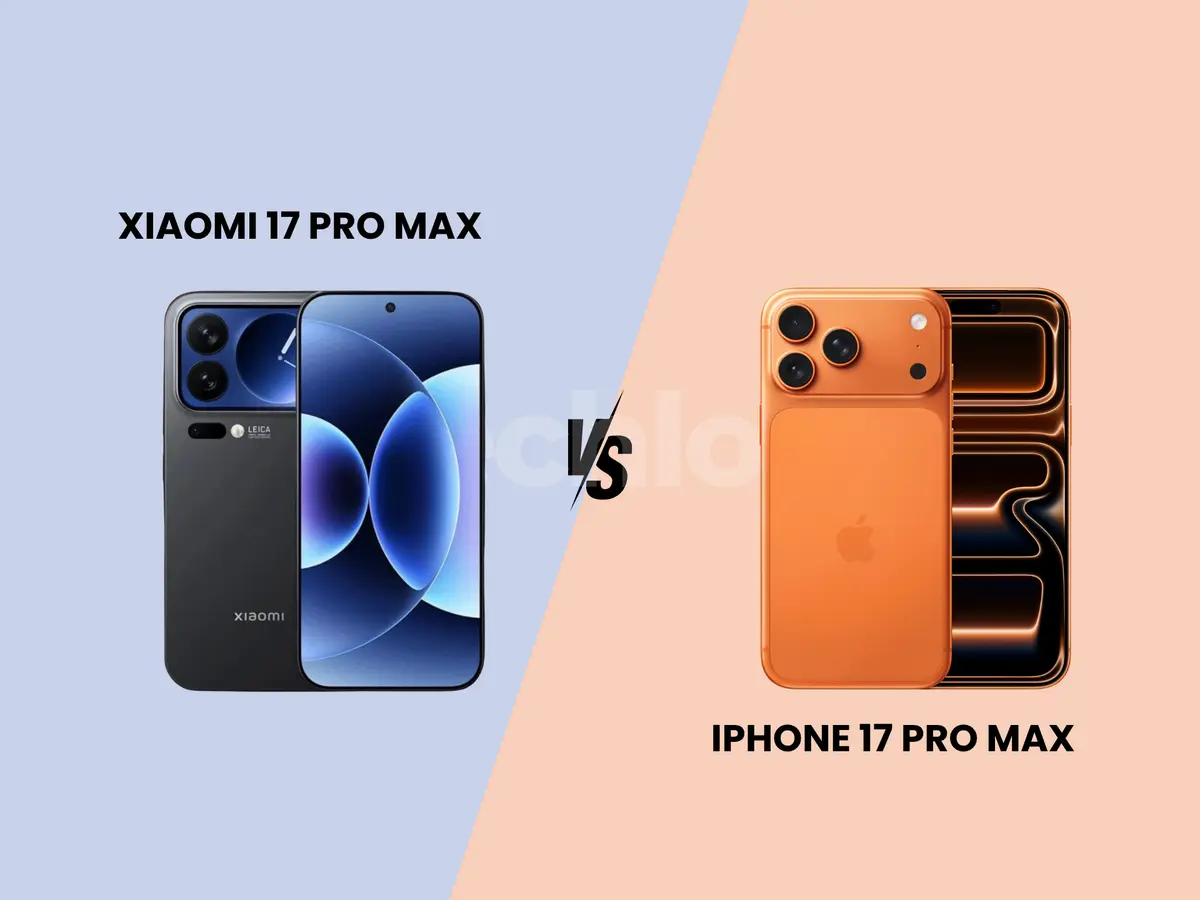
Summary table — major differences at a glance
| Feature | Xiaomi 17 Ultra | Apple iPhone 17 Pro Max |
|---|---|---|
| Display | 6.9″ LTPO AMOLED, 1.5K resolution, 120 Hz, flat panel, up to ~1060 nits brightness | 6.9″ Super Retina XDR OLED, ~120 Hz, HDR, True Tone, high brightness (peak higher in real usage) |
| Processor & performance | Snapdragon 8 Elite Gen 5 (3 nm), LPDDR5X + UFS 4.1 | Apple A19 Pro (3 nm), iOS ecosystem optimization |
| Rear cameras | Triple: 50 MP main (1-inch Light Hunter sensor), 200 MP periscope telephoto, 50 MP ultrawide; front: 50 MP | Triple 48 MP (wide + ultrawide + telephoto with optical zoom), front selfie camera (details per Apple spec) |
| Battery & charging | 6,800 mAh battery, 90 W wired fast charging + 50 W wireless charging, IP69 dust/water + robust build | ~5,000 mAh (typical for iPhone 17 Pro Max class), optimization for efficiency, iOS battery management and ecosystem advantages |
| Software & updates | Android 16 + HyperOS 3, flag-level hardware | iOS (latest version), deep OS–hardware integration, longtime update support |
| Strengths | Massive battery, strong hardware, powerful zoom camera system, value-oriented flagship | Balanced cameras, refined software experience, ecosystem integration, polished design and consistent performance |
Design comparison
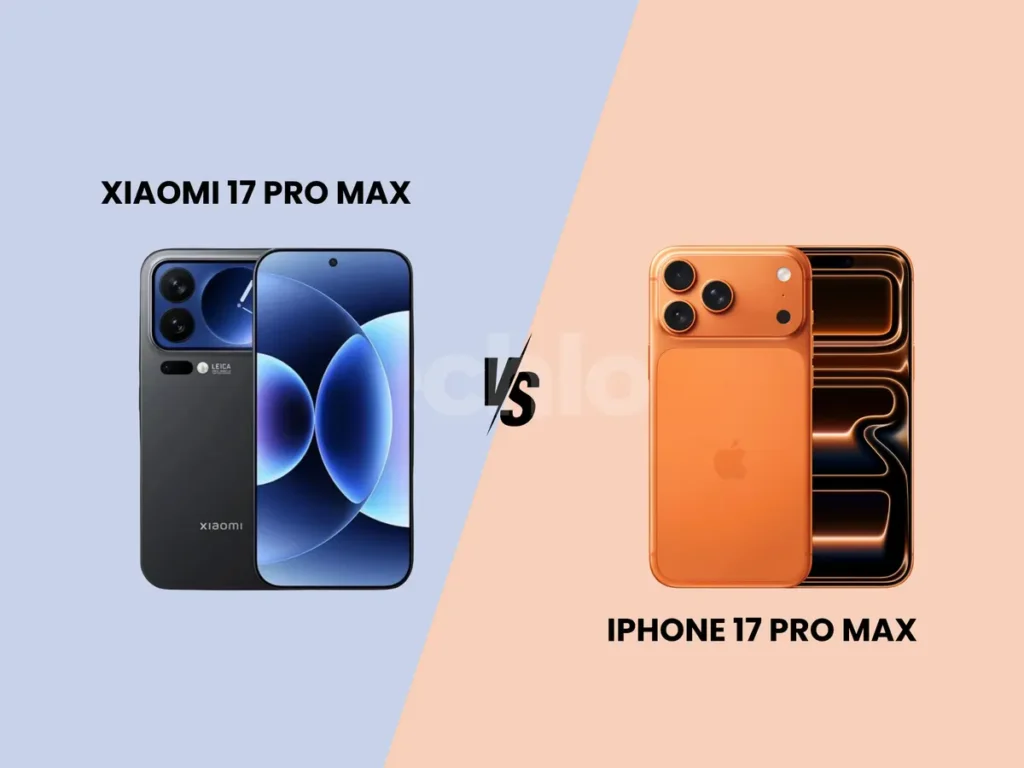
Xiaomi 17 Ultra embraces a “big-phone” philosophy: large 6.9″ display, relatively tall and wide body, and a flat-panel design with a vertical frame. According to its official specs, despite packing a big battery and a heavy-duty camera system, Xiaomi keeps the build slim enough — at 8.29 mm thickness and reasonable weight for its class. The frame and rear-camera module are designed for durability and practicality.
iPhone 17 Pro Max, on the other hand, follows Apple’s tradition of a premium unibody design, with careful attention to ergonomics, finish, and one-hand comfort relative to screen size. The overall design philosophy prioritizes balance: not just power, but portability and refined build quality. Its glass and frame materials are engineered for durability, and the phone feels polished in hand.
Verdict on design: If you’re okay with a large, somewhat heavy phone and value display size and battery capacity, Xiaomi 17 Ultra wins. If you prefer a more balanced, refined flagship that’s easier to handle day-to-day, iPhone 17 Pro Max stands out.
Display comparison
Xiaomi 17 Ultra offers a large 6.9-inch LTPO AMOLED flat display at 1.5K resolution with adaptive 120 Hz refresh rate. It hits around 1060 nits in high-brightness mode and uses “Shield Glass 3” (Dragon Crystal Glass) for durability. The flat screen helps avoid accidental touches, and the big canvas works well for media, games, and productivity.
The iPhone 17 Pro Max uses a Super Retina XDR OLED display — known for excellent color accuracy, HDR support, True Tone, and high peak brightness. The adaptive refresh rate (up to around 120 Hz) and iOS tuning ensure smooth animations, sharp visuals, and great daylight visibility. According to spec comparisons, its display offers a slightly higher resolution and excellent calibration, which enhances clarity especially in mixed lighting.
Verdict on display: Those who prioritize screen real estate and a large, bright panel will prefer Xiaomi 17 Ultra. If color fidelity, balanced brightness and consistent output matter more — for photography, video editing, or daily use — iPhone 17 Pro Max offers a more refined display experience.
Camera comparison
Xiaomi 17 Ultra is engineered to impress camera enthusiasts. It features a triple rear setup: a 50 MP main camera with a large 1-inch sensor (Light Hunter), a 200 MP periscope telephoto lens for strong zoom performance, and a 50 MP ultrawide. The front camera is also 50 MP, which promises detailed selfies and video calls. The inclusion of a periscope telephoto lens marks a clear intent: to offer serious photography capability rivaling dedicated cameras.
The iPhone 17 Pro Max sticks to Apple’s trusted triple 48 MP camera system (wide + ultrawide + telephoto), optimized with Apple’s image processing and computational photography. The telephoto allows optical zoom; the camera system is likely well-balanced for realistic color rendition, HDR performance, and video capabilities (given Apple’s history).
Verdict on cameras: For those who demand maximum flexibility — zoom, wide-angle, high resolution and strongly varied shooting scenarios — Xiaomi 17 Ultra leads. For users who value reliability, natural color tones, balanced images, and video integration, iPhone 17 Pro Max remains a strong, dependable choice.
Performance comparison
Under the hood, Xiaomi 17 Ultra runs on Qualcomm Snapdragon 8 Elite Gen 5 (3 nm) paired with LPDDR5X RAM and UFS 4.1 storage. This hardware configuration positions it as a flagship performer, capable of heavy multitasking, high-end gaming, and fast loading times.
The iPhone 17 Pro Max uses Apple’s A19 Pro (3 nm) chipset. Combined with iOS optimizations, hardware–software integration, and Apple’s long-standing performance tuning, it delivers consistent, smooth user experience. According to benchmarks, Xiaomi 17 Ultra may show strong multi-core and GPU performance owing to its hardware, but Apple’s efficiency per watt and optimization often give iPhone an edge in sustained performance and thermal management.
Verdict on performance: If raw power and flexibility (especially Android’s openness) matter most — Xiaomi 17 Ultra is compelling. But if you want stable, consistent performance with tight integration and long-term support — iPhone 17 Pro Max delivers.
Battery & charging
Xiaomi 17 Ultra packs a 6,800 mAh battery with support for 90 W wired fast charging and 50 W wireless charging. This is a generous capacity that should easily deliver extended usage — gaming, media, and multitasking — without frequent top-ups.
iPhone 17 Pro Max uses a smaller battery (typical for iPhones), but benefits from Apple’s software and hardware optimization — which often yields efficient battery use and better real-world endurance than raw capacity suggests. iOS’s power management tends to balance performance and battery life well.
Verdict on battery: If you prefer long runtimes and fast charging, Xiaomi 17 Ultra is an obvious favorite. If you value consistent endurance in day-to-day use and care less about maximum battery capacity — iPhone 17 Pro Max should suffice.
Software & updates
Xiaomi 17 Ultra runs Android 16 with HyperOS 3 on top. That offers flexibility, customization, and compatibility with a wide range of apps and services. Xiaomi also tends to offer regular updates, but the long-term update commitment may not match that of Apple.
iPhone 17 Pro Max runs iOS (latest version) with Apple’s ecosystem advantages: tight integration with other Apple devices, regular OS updates for many years, optimized performance, and arguably better long-term value for users staying within Apple’s ecosystem.
Verdict on software: If you like customizability, Android freedom and broad hardware support — Xiaomi 17 Ultra wins. If you prefer long-term updates, seamless ecosystem, and polished software experience — iPhone 17 Pro Max remains the safer bet.
Final verdict
Xiaomi 17 Ultra stands out as a powerhouse for those who want a large display, long battery life, powerful hardware, and maximum camera versatility — particularly suited for heavy users, gamers and photography enthusiasts who demand flexibility and raw power.
The iPhone 17 Pro Max, however — with its balanced performance, reliable camera system, refined build, and iOS ecosystem — remains ideal for users who prioritize longevity, stability, consistent quality and a polished everyday experience.
In short: go for Xiaomi 17 Ultra if you want “all-out power and flexibility.” Choose iPhone 17 Pro Max if you value “balanced performance, refined design and longevity.”
Frequently Asked Questions
1) Which phone has better battery life overall?
Xiaomi 17 Ultra offers a much larger battery (6,800 mAh) and supports 90 W fast charging, so for heavy usage — gaming, video, multitasking — it will typically last much longer than iPhone 17 Pro Max, which relies more on software efficiency than sheer capacity.
2) Which phone is better for photography and everyday camera use?
If you want maximum camera flexibility — with strong zoom, wide-angle, and high-resolution shots — Xiaomi 17 Ultra likely gives you more versatility. If you prefer balanced, natural-looking photos and consistent performance across different lighting conditions, iPhone 17 Pro Max remains a highly dependable choice.
3) Which phone provides a better long-term software experience?
iPhone 17 Pro Max offers the advantage of Apple’s ecosystem, long-term iOS updates, and tight hardware-software integration, making it a great long-term investment. Xiaomi 17 Ultra provides Android flexibility and customization, which may appeal more to users who like freedom and control — but the update cycle may not be as long-term as Apple’s.