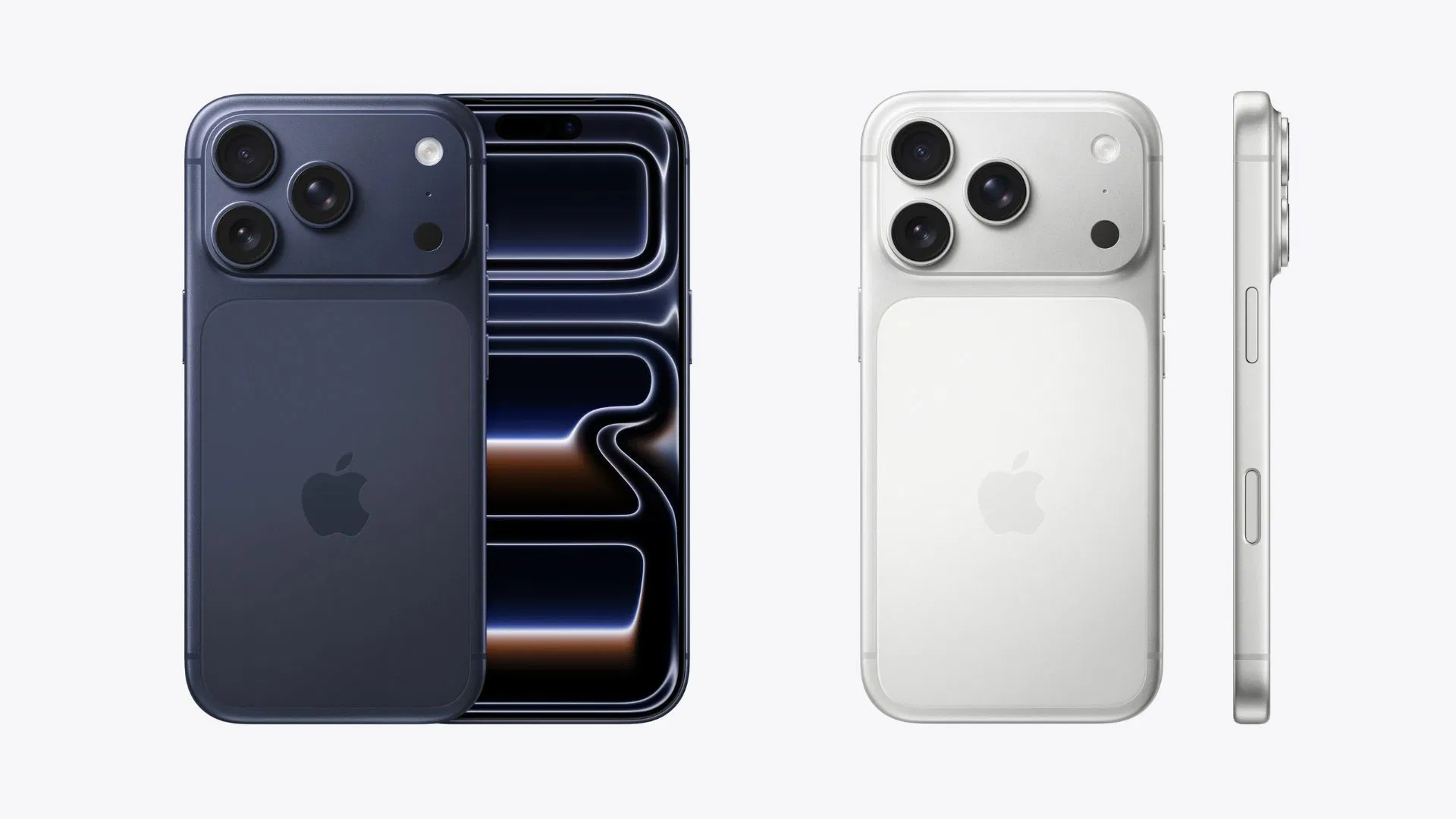
Apple’s upcoming iPhone 18 series could mark a major shift in its camera-sensor supply chain. According to multiple recent reports, Samsung is set to supply CMOS image sensors (CIS) for the iPhone 18 — and these sensors will be manufactured in the United States, at Samsung’s plant in Austin, Texas. This change would break Apple’s long-standing reliance on Sony for iPhone camera sensors.
What’s Changing — Details of the Report
- Samsung is reportedly preparing to begin production of the camera sensors in March 2026. The company has posted job listings for project managers, technicians, and engineers tied to the sensor-production line at its Texas facility.
- The new sensors are based on a “three-layer stacked” architecture. That means multiple sensor layers are bonded vertically, which could allow for smaller pixels, reduced noise, better low-light performance, and higher dynamic range compared to conventional sensors.
- While Sony has supplied image sensors for iPhones for more than a decade, the iPhone 18 might see a mixed supply chain — possibly with Sony continuing for some modules, while Samsung handles certain sensors (likely the ultra-wide, or in some configurations). Industry sources mention this as a diversification by Apple.
What We Know So Far — Expected Timeline, Scope, and Impact
Expected Timeline & Availability
Current reports suggest the sensor production line will be ready by March 2026. Given standard testing and validation lead times, sensors from Samsung may begin appearing in iPhone 18 units shipped globally in late 2026 or early 2027.
It remains unclear whether all iPhone 18 models will use Samsung-made sensors or only select variants — many analysts believe the Pro models may get them first.
Why This Change Matters
- For Apple, sourcing sensors from a U.S. facility helps diversify supply chains and may offer cost or tariff advantages.
- For users, stacked sensor architecture could translate to better photography: sharper images, improved low-light shots, richer dynamic range, and potentially faster image processing.
- For the industry, this may end decades of Sony’s effective exclusivity — opening the field for sensor competition, potentially accelerating innovation in smartphone camera technology.
What Is Still Unknown — Open Questions and Uncertainties
- It’s not confirmed whether Samsung sensors will be used for all iPhone 18 cameras (main, ultra-wide, telephoto) or only for certain modules. Some reports suggest only the ultra-wide sensor may switch.
- The exact performance difference between Sony’s previous iPhone sensors and the new Samsung sensors remains to be seen; real-world testing will be essential to judge benefits such as noise reduction, dynamic range, and image quality.
- Apple has not officially confirmed the change. As with any supply-chain leak, plans may shift based on manufacturing yield, cost, regulatory conditions, or internal tests.
Why This Rumour Matters
Switching to U.S.-made Samsung sensors could mark a strategic shift for Apple — signalling a desire to both diversify its supplier base and reduce dependencies on overseas manufacturing. For photography lovers and upgrade-minded users, stacked sensors from Samsung could bring tangible benefits in image quality and camera performance. The move could also shake up the global smartphone camera-sensor market, pressuring other suppliers to accelerate innovation.
Given the scale of iPhone shipments worldwide, even a partial shift would ripple through the industry.
FAQs
Q: Why is Apple switching from Sony to Samsung for camera sensors?
Reports indicate that Apple looks to diversify its camera-sensor supply chain and leverage a Samsung sensor production line in the U.S. This helps reduce reliance on a single supplier and may provide cost or regulatory advantages.
Q: What improvements are expected from Samsung’s stacked image sensors?
The three-layer stacked sensors are designed to allow smaller pixel sizes, improved low-light performance, higher dynamic range, reduced noise, and faster image readout — all of which may enhance photo and video quality compared to older sensor designs.
Q: When will iPhone 18 with Samsung sensors likely reach customers?
If production begins by March 2026 and testing goes smoothly, smartphones using these sensors may start shipping in late 2026 or early 2027. It’s likely initial deployment will be in select iPhone 18 Pro models, pending quality checks.