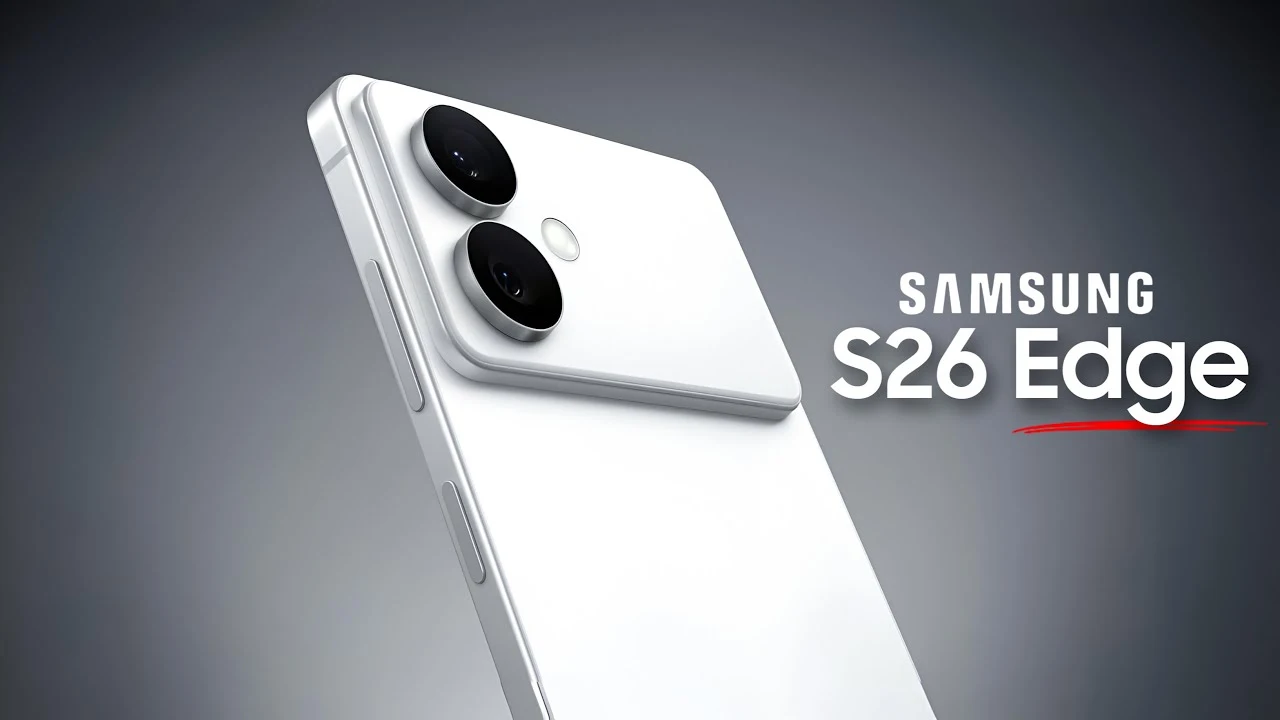
According to the latest industry reports, Samsung has quietly shelved its plans for the Galaxy S26 Edge. The decision comes in response to lacklustre consumer demand for ultra-slim flagships — a trend that many manufacturers hoped would take off, but which seems to be losing its charm.
What’s Behind the Decision: What’s Changed at a Glance
- The S26 Edge project has reportedly been cancelled entirely, not postponed.
- Sales of the predecessor, Samsung Galaxy S25 Edge, fell far below expectations — only around 1.31 million units sold by August 2025.
- Consumers appear to prefer practicality — battery life, balanced hardware and camera versatility — over extreme thinness and sleek design.
What Was Promised (But Won’t Be Delivered): The S26 Edge Vision
Before cancellation, the S26 Edge was expected to succeed the S25 Edge and offer a thin, light “Edge-style” flagship variant alongside the standard and Ultra versions in the upcoming S26 lineup. But apparently, Samsung has abandoned these plans — instead reverting to its traditional three-model approach: base (S26 / “Pro”), Plus, and Ultra.
Why the Ultra-Thin Strategy Failed
- The S25 Edge, launched earlier in 2025, though praised for its slim build, came with significant compromises — a modest 3,900 mAh battery (for a flagship), reduced camera setup (no telephoto), and challenges with thermal & battery performance given the thin chassis.
- At its price point, many buyers felt they could get more value with the “Plus” or “Ultra” models which offered better battery life, camera performance and overall balanced hardware.
- The broader market trend seems to reject sacrificing practical functionality for sleekness: everyday usability — battery endurance, camera versatility, reliability — remains a higher priority.
What Happens Next: Samsung’s Road Ahead
With the S26 Edge cancelled, Samsung is expected to focus on a more conventional S26 series lineup — likely including:
- A base/“Pro” model
- A “Plus” version — retaking the mid-tier slot that Edge was supposed to occupy
- A flagship “Ultra” model with full features and high-end specs
This strategic rollback suggests Samsung (and possibly others in the industry) are re-emphasizing balanced design over ultra-slim form factors, learning that flashy thinness doesn’t always match what consumers actually want.
Why This Matters
The cancellation of the S26 Edge marks a broader shift in smartphone design priorities. It signals:
- A potential end (or at least pause) to the “ultra-thin flagship” trend from major players like Samsung (and by extension, influences across Android OEMs)
- A reminder that users — especially in markets like India — may value battery life, camera versatility, and reliability over “slimness prestige.”
- That manufacturers will likely double down on balanced smartphones rather than niche, compromises-based designs — especially in premium segments
FAQs
Why did Samsung cancel the Galaxy S26 Edge?
Because the previous ultra-thin model (S25 Edge) sold poorly — only about 1.31 million units — and consumers largely rejected trade-offs on battery, camera, and performance for thinness.
Does this mean Samsung is quitting thin phones completely?
At least for now. Reports indicate the “Edge” line has been shelved and future S-series releases will follow the standard base / Plus / Ultra format.
Will there be a better “slim phone” alternative soon?
Given current industry sentiment, it’s unlikely Samsung will attempt another ultra-thin “Edge-style” flagship in the near future — until thin-device tech (e.g. bigger battery in slim chassis) becomes more practical or demanded.