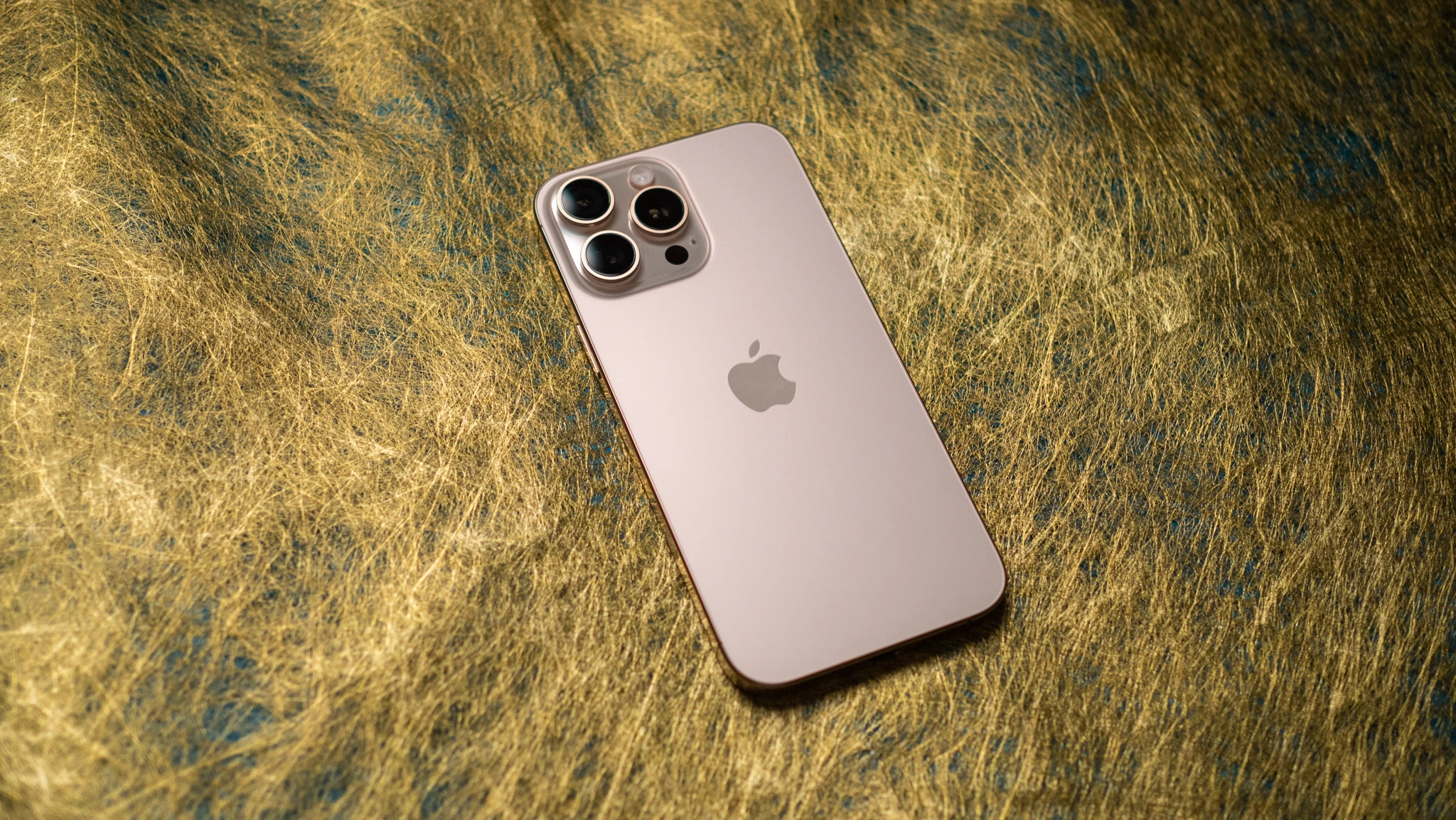
The latest report from Counterpoint Research shows that iPhone 16 was the best-selling smartphone worldwide in Q3 2025. It secured around 4% of global volume share, making it the top-selling individual model for the quarter.
Apple and Samsung Dominate the Rankings
According to the same data, Apple and Samsung together captured all 10 spots in the global top-10 best-selling smartphones list for Q3.
- The top four positions — iPhone 16, iPhone 16 Pro, iPhone 16 Pro Max and iPhone 16e — were occupied by Apple models.
- Samsung held the remaining five places, with all entries from its Galaxy A-series (mid-range and budget models), showing Samsung’s strong hold in the affordable smartphone segment.
What Boosted iPhone 16 Sales
- The continued global demand for iPhone 16 comes even after the launch of the newer iPhone 17 series, highlighting its value among buyers upgrading from older models.
- Strong festive promotions and discounts — especially in markets like India — helped drive sales in the quarter.
- The popularity of 5G and demand for premium build and long-term software support appear to have contributed to buyer preference toward iPhone 16 over many Android models.
What This Means for the Market
- iPhone 16’s success reaffirms Apple’s strong user base and brand loyalty, even in a market filled with aggressive Android alternatives.
- Samsung’s dominance in the mid-range segment continues — by filling half of the top-10, it shows the brand’s diversity and reach across price categories.
- The fact that all top five models were 5G — for the first time in a Q3 ranking — underscores how 5G has become the new baseline for mainstream smartphones.
FAQs
Which phone was the best-selling smartphone globally in Q3 2025?
iPhone 16, with a 4% volume share, was ranked #1 by Counterpoint Research.
Did any Samsung flagships make it to the top-10 list?
No. All of Samsung’s entries in the top-10 were Galaxy A-series mid-range phones — none of the flagship Galaxy S or Z series made the cut.
Does this mean Android phones are losing out globally?
Not necessarily. Samsung’s strong representation shows Android remains very competitive, especially in mid-range and budget segments. Also, the dominance of 5G among top smartphones shows demand for modern features remains high across platforms.