Pros: Very affordable 5G phone, decent battery & everyday performance.
Cons: Basic cameras, display may be average by 2025 standards.
Specs highlights: 5G-ready, adequate RAM/storage for casual use, solid battery life.
Redmi 14C 5G
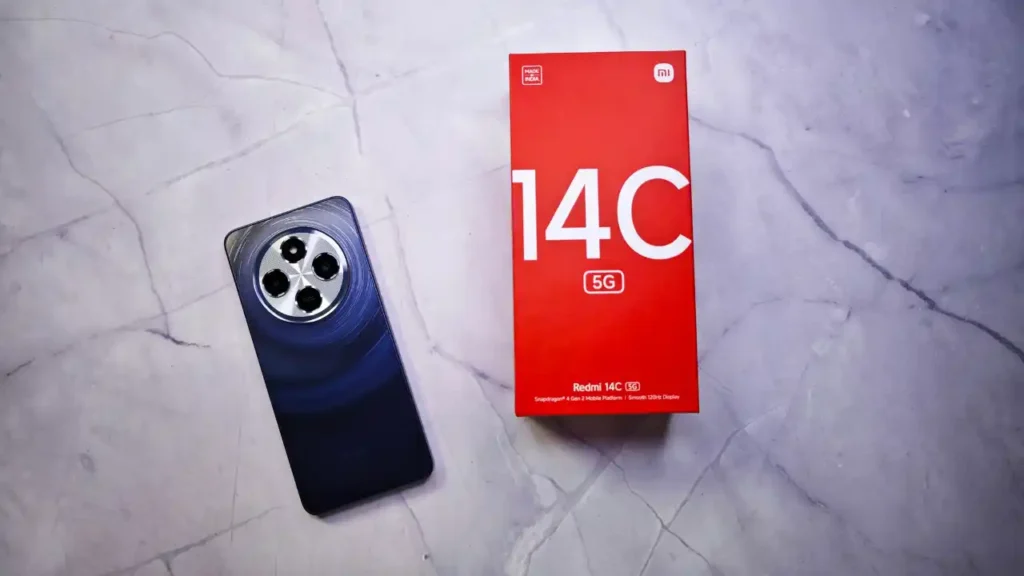
Pros: Smooth display, good all-round performance for the price.
Cons: 5G performance modest, cameras not ideal for heavy photography.
Specs highlights: 5G support, HD+ display, decent chipset for daily tasks and light gaming.
Motorola Moto G05
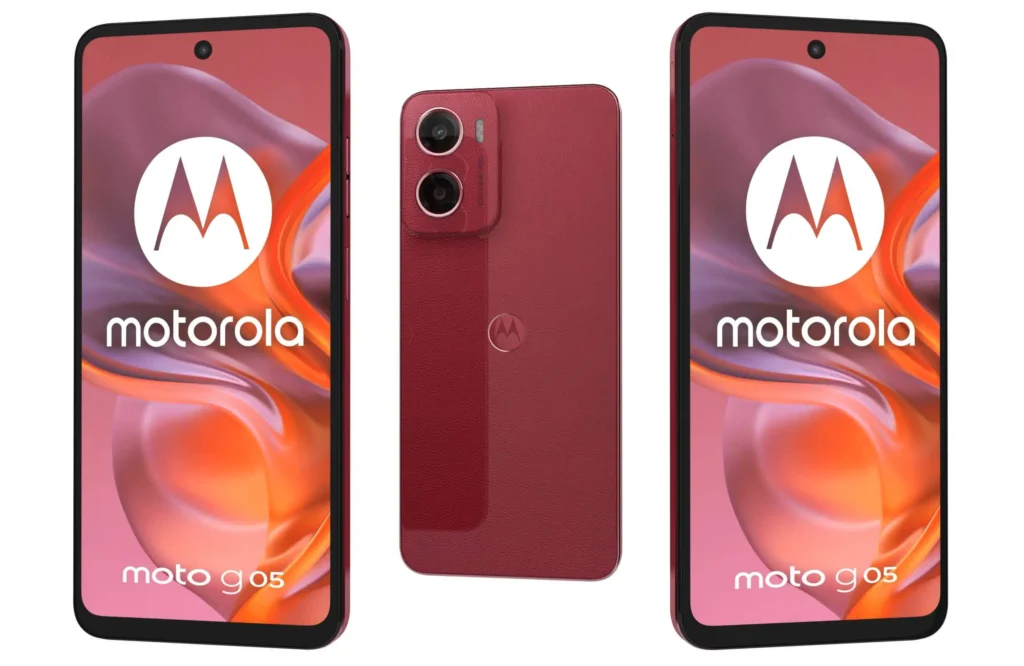
Pros: Clean Android experience, good display brightness, reliable for daily use.
Cons: Lower-end specs compared to 5G peers, average battery.
Specs highlights: 6.67″ display, decent for calls & media, lightweight and easy to handle.
Realme C71
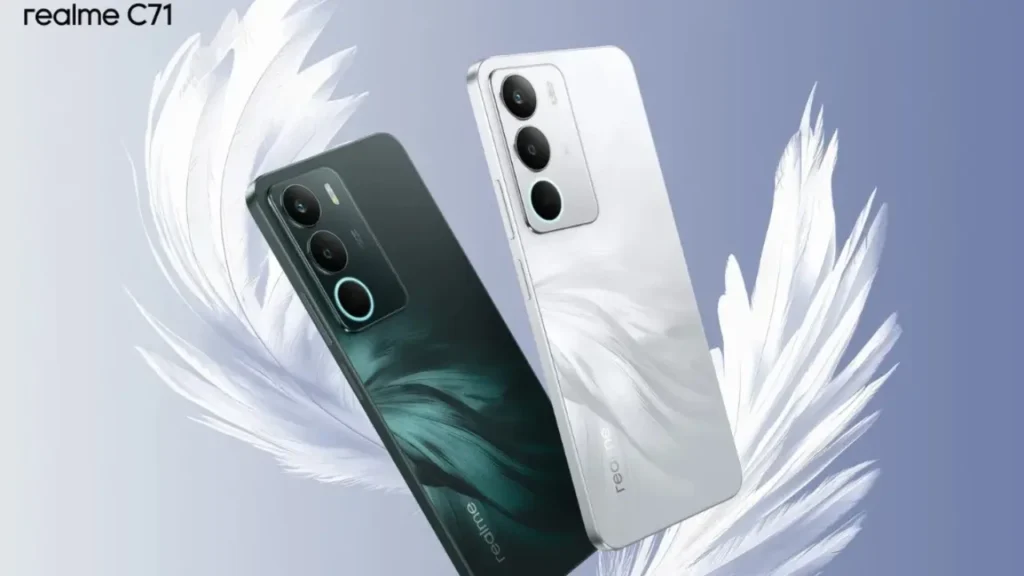
Pros: Strong battery life, good value-for-money balance.
Cons: Lower-tier chipset — heavy gaming may struggle.
Specs highlights: Large battery, stable for basic apps, calls, and social media.
POCO C75 5G
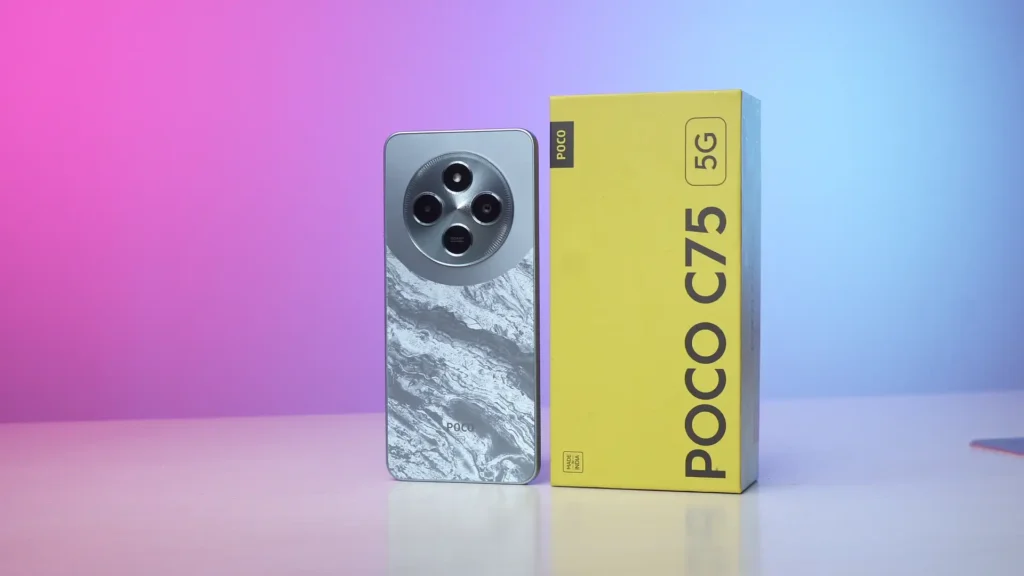
Pros: 5G connectivity, good for basic to moderate tasks, competitive price.
Cons: Display and cameras are entry-level.
Specs highlights: 5G support, useful as a daily driver under budget constraints.
POCO C71
Pros: Among the most budget-friendly 5G phones, good for everyday use at minimal price.
Cons: Basic hardware — not ideal for heavy apps or gaming.
Specs highlights: 5G support, acceptable performance for calls, messaging and light apps.
Lava Bold N1 5G

Pros: Large display for media consumption, 5G support offers some future-proofing.
Cons: Basic battery and mid-tier processor — not ideal for heavy use.
Specs highlights: 5G connectivity, big screen, suitable for casual browsing and streaming.
Samsung Galaxy A06
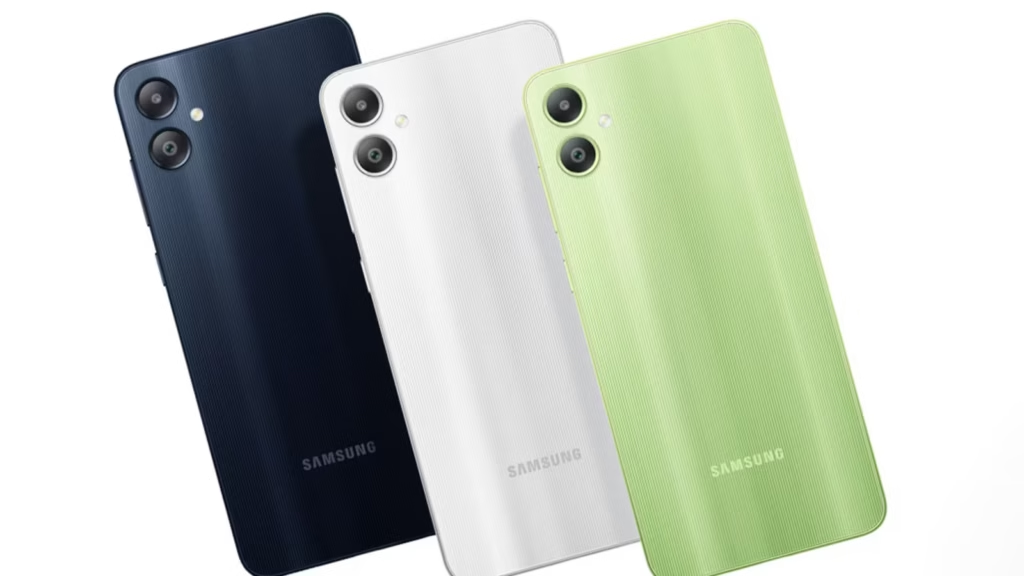
Pros: Trusted brand, decent reliability and after-sales backup.
Cons: Budget-level performance and display by 2025 standards.
Specs highlights: Balanced for calls, basic apps, and casual use — good fallback if you value brand support.
Tecno Spark Go 2
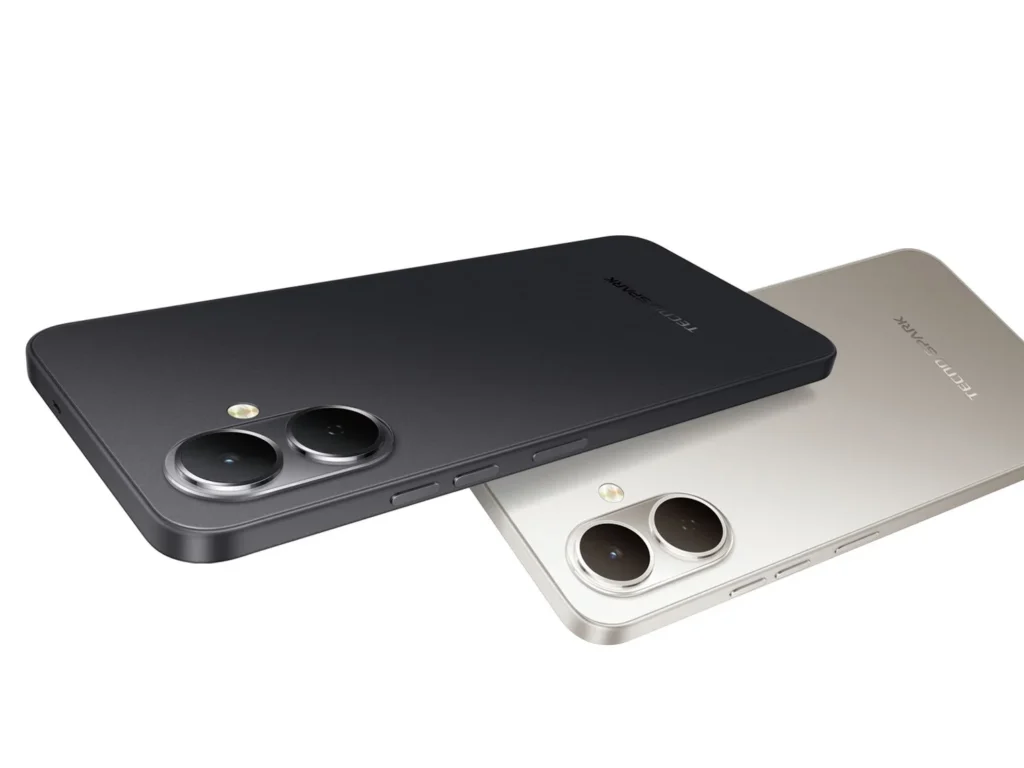
Pros: Budget 5G offering, decent for social media and light tasks.
Cons: Lower-end camera & display — not ideal for intensive use.
Specs highlights: Affordable 5G entry, usable for social media, messaging, and casual use.
Realme C30
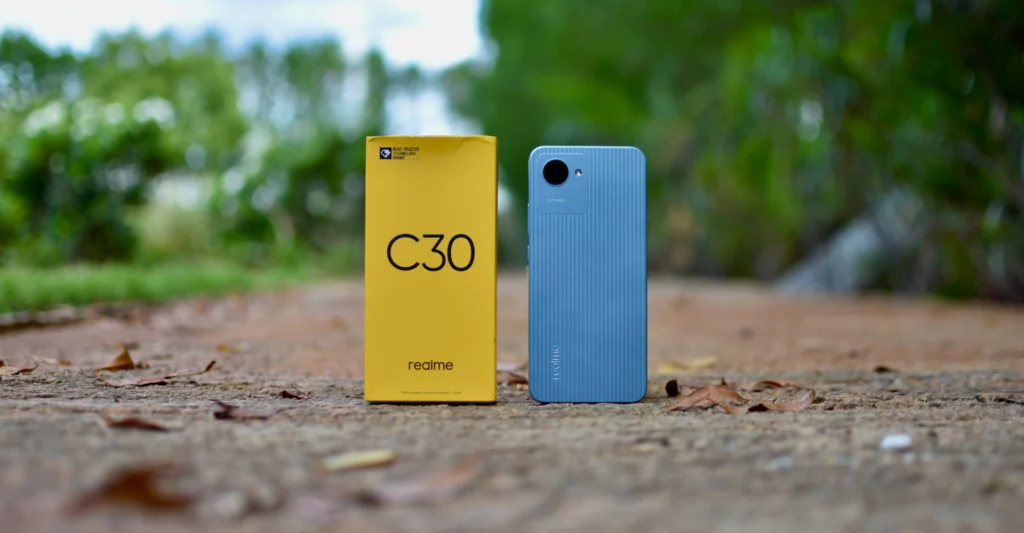
Pros: Very cheap model — suited for casual/basic phone users or as a backup phone.
Cons: Basic specs, limited for heavy use.
Specs highlights: Lightweight, easy-to-use interface, good for calls/messages/standby tasks.
How We Picked These Phones
We focused on the latest 2025-2026 budget phones that support 5G (if possible), offer decent battery & display, and deliver reliable daily performance — while sticking comfortably under ₹10,000.
Quick Tips Before Buying Under ₹10,000
- Prioritize battery + software optimization over megapixels — those two matter most in this range.
- Expect compromises on camera/video quality and gaming performance — good for social apps, browsing, calls.
- 5G support can help future-proof the phone, especially if you plan to keep it for 2–3 years.
- Don’t over-value megapixels — higher MP doesn’t always mean better photos; sensor quality, software and lighting matter a lot.
FAQs
Q: Can phones under ₹10,000 handle daily apps, social media, and calls smoothly?
Yes — most of the phones listed above are well-suited for social media, browsing, calls, messages, and light usage without lag.
Q: Should I expect good camera quality at this budget?
Camera quality will be basic to moderate. Some phones offer acceptable daylight photos, but don’t expect flagship-level photography or strong low-light performance.
Q: Is buying a 5G phone under ₹10,000 worth it in 2025?
If you plan to use this phone for 2–3 years, 5G helps future-proof your purchase — especially as 5G networks expand in India. It’s a sensible option if your usage is primarily internet-based (streaming, browsing, social media).